Features
Six went down, then Sunderland finished seventh
For two seasons running, every club promoted from the Championship went straight back down. Six teams, no survivors. Then Sunderland finished 7th.

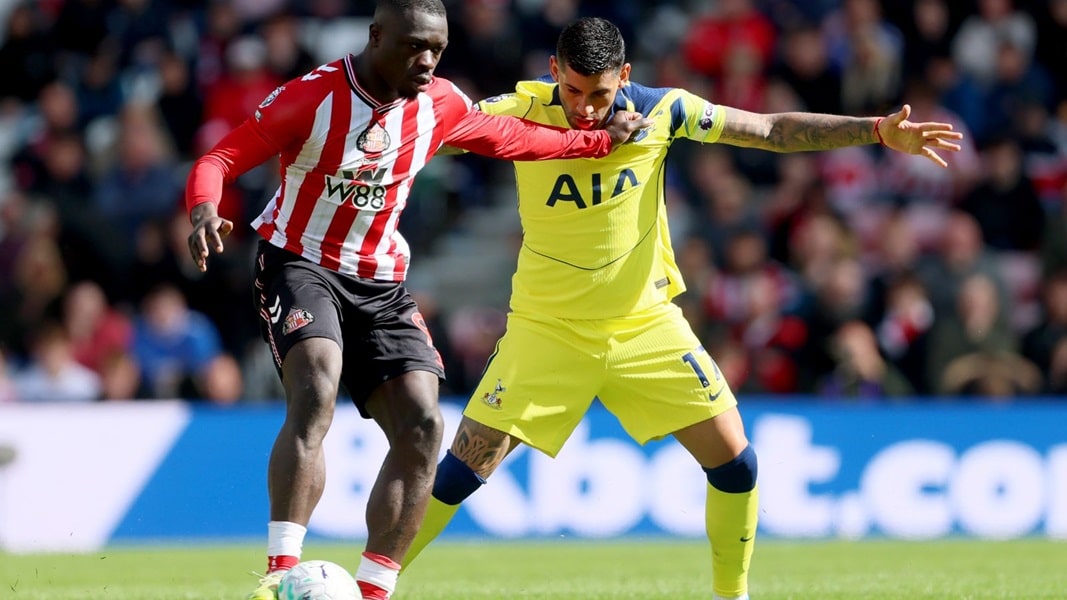
For two seasons running, every club promoted from the Championship went straight back down. Six teams, no survivors. It hardened into something everyone simply accepted: the money gap between the divisions had grown so wide that going up amounted to an expensive year out before the same clubs returned to where they came from.
Then Sunderland finished seventh, qualified for Europe and beat Newcastle home and away. Coventry, Ipswich and Hull come up next month with that season still fresh in the memory.
How the trapdoor earned its reputation
Before 2023/24, all three promoted clubs had gone down together exactly once in Premier League history. That was 1997/98, when Bolton, Barnsley and Crystal Palace all came up and all went back, and it did not happen again for a quarter of a century. Then it happened twice in a row, and not narrowly. The class of 2023/24 collected 66 points between them, at least ten fewer than any relegated trio before them. The following year’s three managed fewer still.
What separated Sunderland from Burnley
Last season offered about as clean a test as football provides. Burnley went up on the back of a campaign for the record books: 100 points, 16 goals conceded in 46 games, 30 clean sheets, the meanest defence English league football has ever seen. Sunderland got there through the play-offs, thanks to Tom Watson’s stoppage-time winner at Wembley, and were written off almost immediately afterwards.
Nine months later Burnley had 22 points. Sunderland had 54.
Almost all of that gap opened up over the summer rather than on the pitch. Sunderland spent like a club that already belonged, running up the sixth-biggest net spend in the division and rebuilding the spine of the side around Granit Xhaka, Habib Diarra, Noah Sadiki and Robin Roefs. Burnley committed a little over half as much and trusted the defence that had just taken a slower league apart. Leeds landed somewhere between the two, changed to a back three in late November, reached an FA Cup semi-final and finished 14th.
Sunderland began last August among the shortest prices for the drop, which tells you how firm the consensus had become. Season-long markets, relegation, top four, top half, go up at every bookmaker covering English football, MrVegas included, and they are about as close as anyone gets to a crowd forecast with a price attached to it. Last summer that forecast had a club heading for the Championship when it was actually on its way to Europe.
Coventry, Ipswich and Hull start from different places
Coventry are the most intriguing of the three. Frank Lampard’s side sealed promotion in mid-April with five matches to spare and went on to take the title by 11 points, and they bring something most promoted squads lack: goals from more than one man, with Haji Wright’s 18 backed by four team-mates in double figures. Since Coventry last played top-flight football in 2001 they have been down to League Two, through administration and without ownership of their own ground.
Ipswich are back after a single season away, now under Gary O’Neil following Kieran McKenna’s departure in June. Hull return for the first time since 2017, having come through the play-offs on an Oli McBurnie goal deep into stoppage time, a year on from Sunderland doing much the same thing at almost the same point on the clock.
None of them have been handed anything by the fixture list. Coventry open away at Arsenal under the lights, Hull host Manchester United in the Saturday lunchtime slot, and Ipswich take on Sunderland at Portman Road, which is either an omen or a warning depending on which version of last season you believe. Pencilling in the bottom three in July, though, is no longer the formality it was.


Other News