Features
Fire Safety and Fire Risk Assessments in Football Stadiums
Fire safety is a fundamental aspect of managing modern football venues. With tens of thousands of spectators gathering to watch live matches…

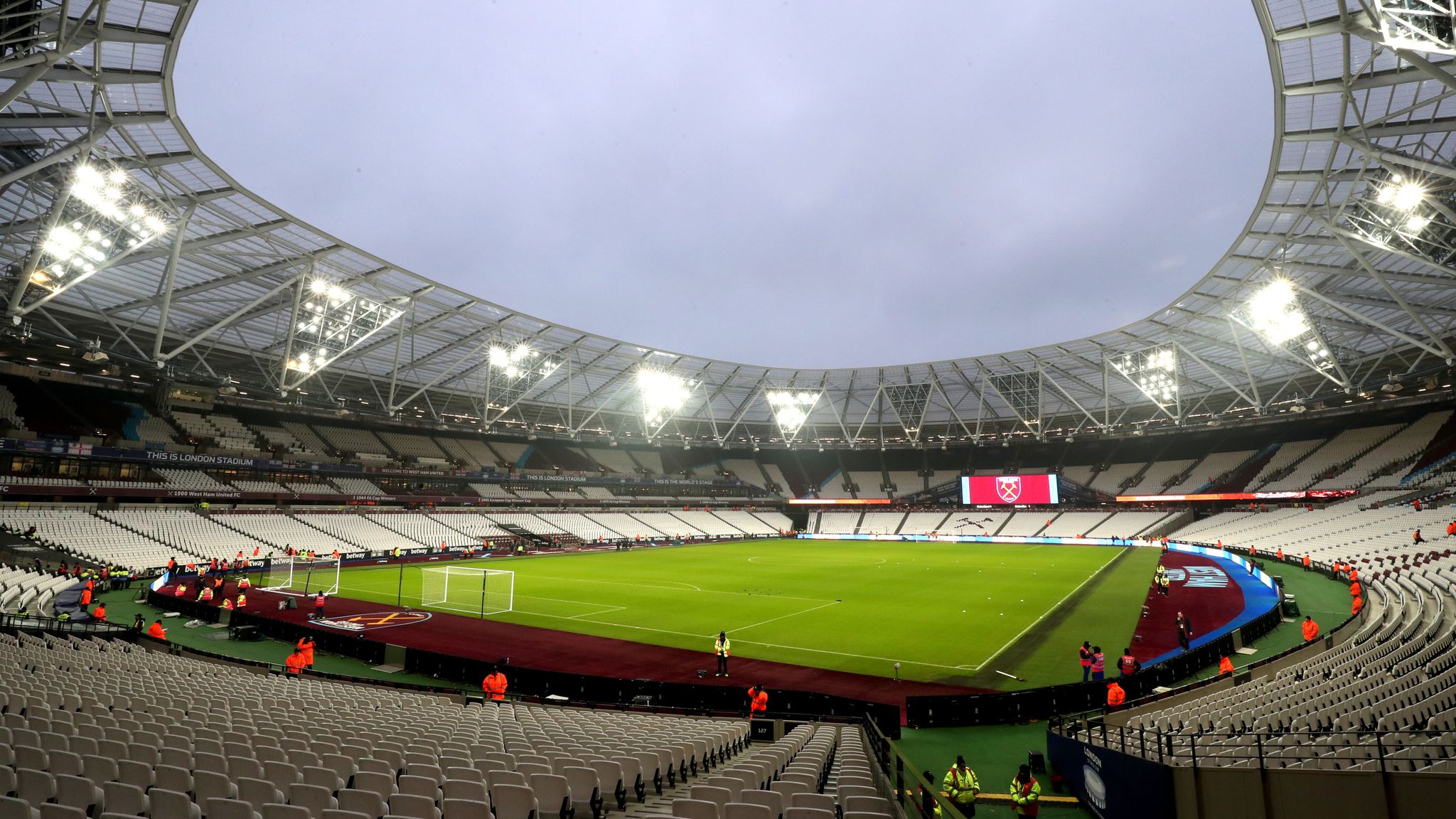
Fire safety is a fundamental aspect of managing modern football venues. With tens of thousands of spectators gathering to watch live matches, stadium operators must ensure that every possible precaution is taken to prevent and respond to fire-related emergencies. Careful planning, strict regulations, and professional fire risk assessments in football stadiums play a crucial role in protecting lives and property.
Global governing bodies such as FIFA and UEFA set high safety standards for stadiums hosting international competitions. These standards include advanced fire detection systems, emergency evacuation routes, fire-resistant construction materials, and trained safety personnel. Domestic leagues like the Premier League also enforce national fire safety laws to ensure compliance at every venue.
At the core of stadium safety planning are fire risk assessments in football stadiums. These assessments are systematic evaluations designed to identify fire hazards, determine who may be at risk, and implement control measures to minimize danger. Given the scale and complexity of modern stadiums, this process must be detailed and regularly updated.
One major area of concern is electrical infrastructure. Stadiums rely heavily on lighting systems, digital scoreboards, broadcasting equipment, and sound systems. Faulty wiring or overloaded circuits can become ignition sources if not properly maintained. Routine inspections and preventative maintenance significantly reduce this risk.
Catering areas also present potential fire hazards. Food kiosks, restaurants, and hospitality suites use cooking appliances, gas cylinders, and hot oil, all of which increase the likelihood of fire. Strict operational procedures, fire suppression systems, and trained staff ensure that these areas remain safe during both small events and full-capacity matches.
Another important component of fire safety is managing combustible materials. Merchandise stalls, banners, packaging waste, and even seating materials can contribute to fire spread. Modern stadiums are typically constructed using fire-resistant materials that slow down flames and reduce smoke production. Effective waste management policies further prevent the buildup of flammable debris.
Evacuation planning is a critical outcome of fire risk assessments. Large venues such as Wembley Stadium are designed with multiple entry and exit points, wide concourses, and clearly marked emergency routes. Emergency lighting and public address systems guide spectators safely in case of an incident. Detailed evacuation models are often tested to ensure that the entire stadium can be cleared within a safe timeframe.
Training and communication are equally essential. Stewards, security personnel, and stadium staff must understand emergency procedures and know how to respond calmly and effectively. Regular drills help identify weaknesses in response plans and ensure continuous improvement.
In conclusion, fire safety in football stadiums requires ongoing commitment, professional assessments, and strict adherence to safety standards. Through comprehensive fire risk assessments in football stadiums, operators can identify hazards early, implement preventive measures, and provide a secure environment where fans can enjoy the excitement of the game with confidence.


Other News