Features
Every Big Six Club’s Odds Have Shifted This Summer – Here’s What the Transfer Window Has Done to the Market
The Big Six have collectively spent well over half a billion pounds so far this summer, and the window is not closed yet, shifting odds ahead of the new season

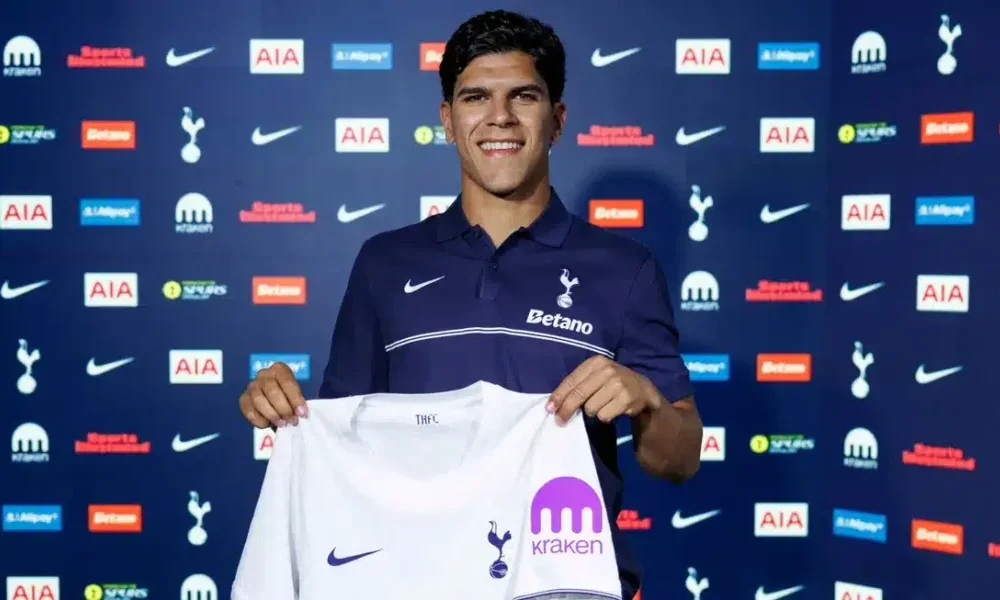
The Big Six have collectively spent well over half a billion pounds so far this summer, and the window is not closed yet. Tottenham have broken their transfer record twice. Manchester City have signed Elliot Anderson for £116 million. Liverpool are rebuilding their defence under a new manager. Chelsea have hired Xabi Alonso to fix a team that finished 10th despite being 4/7 for top four last season. The question is not who has spent the most. It is whose spending has actually moved the needle. The betting market has an answer for every club, and not all of them are flattering.
Arsenal and Man City – the Title Race the Market Has Already Called
Arsenal are 6/4 to retain the Premier League title. Manchester City are 5/2 to take it back. Nothing that has happened in the transfer window has changed those numbers in any meaningful way, and that is itself the story.
Arsenal won the league last season with 85 points and have kept virtually everyone who mattered. Their summer has been targeted rather than lavish – Illan Meslier on a free transfer from relegated Leeds United, negotiations for Christos Tzolis from Club Brugge, and interest in Lille’s Ayyoub Bouaddi at a reported £85 million. After spending £194.9 million last summer on Eze, Zubimendi, and others, this window is about surgical additions to a squad that already proved it was good enough to be champions. When you win the league and keep your best players, the market does not need to see fireworks in the window. The price stays short because the squad already justifies it.
City’s title odds are holding steady at 5/2 despite a summer of significant upheaval. This is the first full transfer window of the post-Guardiola era under Enzo Maresca, and the outgoings have been notable – Bernardo Silva left for Real Madrid on a free transfer, Manuel Akanji was sold to Inter, and Nathan Ake moved to Fenerbahce. The headline signing, Elliot Anderson from Nottingham Forest for a club-record £116 million, is a statement of intent that the Maresca project is being backed at the highest level. But the 115 charges continue to shadow everything, keeping City’s relegation price at a remarkable 14/1, a number that has nothing to do with football and everything to do with a legal verdict that has not arrived. The title market is telling you it expects a two-horse race until it is given a reason to believe otherwise. Neither club’s summer window has provided that reason yet.
Chelsea and Spurs – Two Rebuilds, Two Very Different Market Reactions
This is where the window gets interesting. Chelsea finished 10th last season – a result so far below expectations that it triggered yet another managerial change. Xabi Alonso has arrived as head coach, arguably the most coveted appointment in European football. The signings so far have been relatively modest: Geovany Quenda, Denner, Emmanuel Emegha, and Marco Palestra, with Adam Wharton and Manu Koné among the reported targets. Chelsea are 11/10 for a top-four finish. That price is almost entirely driven by the Alonso factor. The market is betting that a proven coach can extract performance from a squad that catastrophically underperformed under previous management, and it is willing to make Chelsea nearly odds-on to do it.
Tottenham have taken the opposite approach. After surviving relegation on the final day, they have spent £237 million and counting – Sandro Tonali for a then-club-record £100 million from Newcastle, Mateus Fernandes for £85 million from West Ham, Jan Paul van Hecke for £52 million from Brighton, plus Andy Robertson, Marcos Senesi, and Martin Dubravka on free transfers. They lead the fee-known spending table by a comfortable margin. Their odds for a top-four finish? Still 8/1. Barely moved from where they were before the window opened.
Large financial commitments naturally attract attention, whether they involve record-breaking transfer fees or the premium experiences associated with high roller casinos in the UK. But the size of the spend does not determine the quality of the outcome. In Tottenham’s case, the market is assessing whether the new players fit De Zerbi’s system and can reverse two poor seasons, rather than simply rewarding the club for committing £237 million.
The contrast is stark, and it reveals exactly what the market prices. Chelsea’s odds shortened with a managerial appointment. Spurs’ odds stayed flat despite outspending every club in the league. The message could not be clearer: the market trusts managers and institutional credibility above transfer fees. Chelsea hired one of the most respected coaches in Europe. Spurs hired one too in Roberto De Zerbi, but two consecutive 17th-place finishes and the memory of Frank, Tudor, and a 15-match winless run are weighing the price down in a way that no amount of spending has been able to lift.
Liverpool and Man United – New Managers, New Questions
Both clubs are entering new eras this summer, but the market’s confidence in each transition is markedly different. Liverpool are 4/9 for a top-four finish under new manager Andoni Iraola, who replaces Arne Slot after a season where Liverpool finished 5th despite being tipped for the title. The defensive losses are significant. Ibrahima Konate left for Real Madrid on a free transfer, and Andy Robertson moved to Tottenham, also on a free transfer. Two pillars of the back line are gone without a transfer fee received. The incoming signings – Jeremy Jacquet from Stade Rennais and Victor Munoz from Osasuna for £34.4 million – address needs but do not yet replicate what was lost. After last summer’s historic £400 million outlay on Wirtz, Isak, Ekitike, Frimpong, and Kerkez, this window feels like a recalibration under a new coach rather than another blockbuster. The market remains confident Liverpool will make the top four but is no longer pricing them as title contenders at the same intensity.
Manchester United are 1/2 for a top-four finish under Michael Carrick, who has been confirmed as permanent manager after bringing stability to a club that desperately needed it. United are back in the Champions League, and the window has been quietly purposeful. Youri Tielemans from Aston Villa for £35.3 million addresses the midfield gap, Callum Wilson arrives on a free from relegated West Ham, and Jaidon Anthony adds depth from Burnley. Manu Koné, Adam Wharton, and Ayyoub Bouaddi are among the reported targets for further midfield reinforcement. The 1/2 for top four reflects cautious respect rather than excitement. The market believes United will be competitive under Carrick but is not yet convinced they are genuine title contenders. After years of managerial upheaval under Ten Hag and Amorim, steady progress is being priced more favourably than ambitious promises.
Where the Market Might Be Wrong
The market is not always right, and last season provided the proof. Chelsea at 4/7 for top four and finishing 10th is a result that sits on every bookmaker’s shelf as a reminder that short prices on big clubs carry real risk. Three prices in the current market look particularly exposed.
Chelsea at 11/10 for top four is the shortest price offered for any club that finished 10th the previous season. The Alonso premium is enormous, and it assumes he can do in one season at Stamford Bridge what multiple managers before him could not. Spurs at 8/1 for top four, despite leading the spending table, having De Zerbi as manager, and carrying no European football distraction, is arguably the most interesting value line in the market. If you believe the manager can override the institution, this is the price to watch. And Bournemouth at 22/1, the Racing Post’s value pick for top four, quietly finished in the top eight, went 18 games unbeaten to close the season, and have not lost their best players. They are longer than clubs that finished below them and shorter than nobody’s attention span.
The transfer window is still open. The odds will keep moving. But the market has already delivered its first verdict on the summer: it is easier to buy players than to buy credibility, and no amount of spending changes a price as fast as the right manager in the right chair.


Other News