Features
World Cup 2026 Is Rewriting Transfer Values in Real Time
The 2026 summer transfer window: a World Cup running inside a transfer window, with player values being rewritten by performances on the biggest stage

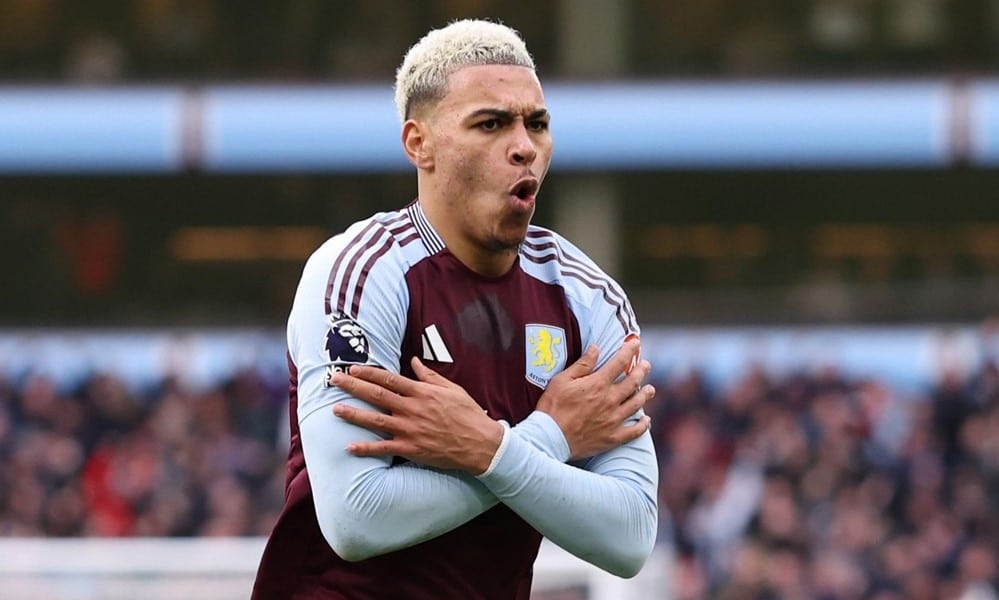
Before the World Cup started, Lille midfielder Ayyoub Bouaddi was valued at approximately $60 million. By the time France was eliminated, that figure had risen to $94 million — a $34 million increase, the largest of any player at the tournament. Arsenal and Manchester United have both made contact. The asking price they face now is not the asking price that existed five weeks ago. This is the defining dynamic of the 2026 summer transfer window: a World Cup running simultaneously inside an open transfer window, with player values being rewritten by performances on the biggest stage while deals are actively being negotiated. Every goal, every assist, every commanding display adds millions to a price tag that a buying club was already trying to agree on.
The Timing That Changed Everything
The 2026 FIFA World Cup ran from 11 June to 19 July across the United States, Canada, and Mexico. The Premier League summer transfer window opened on 1 June. That overlap, which almost the entire tournament contained within an active window, is unprecedented. Previous World Cups interrupted or preceded transfer windows, but the expanded 48-team, 104-match format has stretched this tournament longer than any before it and deepened the collision with the market.
More matches mean more exposure. The 48-team group stages alone produce 96 fixtures before the knockouts begin. That is more shop-window minutes than any previous World Cup has offered. Free agents officially became available on 30 June, mid-tournament. And throughout it all, buying clubs and selling clubs have been watching the same matches at the same time that negotiations are live. A player who scores in a group-stage win on Tuesday is genuinely more expensive to sign on Wednesday. The World Cup has always influenced the transfer market. In 2026, for the first time, it is influencing it in real time.
The Winners – Values That Soared
The beIN Sports value tracker, updated through the tournament’s final stages, provides verified before-and-after figures that illustrate just how dramatically the World Cup has moved the market.
Bouaddi’s $34 million increase leads the field, but the context is what matters. His performances came while Arsenal and United were actively pursuing him at a reported £85 million. Every French match that confirmed his quality gave Lille more leverage in negotiations that were already underway. He did not just become a better player during the tournament. He became a more expensive one while the clock was ticking on the deals being structured around him.
Michael Olise cemented his status as one of Europe’s most complete wingers with a string of assists for France, forming a dangerous partnership with Mbappé and Dembélé. His value rose significantly, and although France’s elimination against Spain ended the campaign, his individual stock came out of the tournament higher than it went in.
Crysencio Summerville’s situation is perhaps the most structurally interesting. Relegated with West Ham, his value before the tournament sat at approximately $40 million. His goals for the Netherlands pushed that to $54 million, a 35% increase. West Ham need to sell. The World Cup just made their asset more expensive for buyers to acquire, in the same window they are trying to offload him.
Deniz Undav rose by a similar margin after emerging as Germany’s decisive super-sub, scoring the last-gasp winner against Ivory Coast with a finish that made headlines worldwide. Felix Nmecha caught the eye for Germany with more line-breaking passes leading to goals than any other player at the tournament, drawing monitoring from both Manchester United and Liverpool. And at the other end of the scale, Motherwell’s Elijah Just went from a £2.5 million player to a potential £10 million one after scoring three goals for New Zealand, including a double against Iran. Three group-stage matches quadrupled his price.
The Losers and the Cautionary Tale
The World Cup inflates values through global visibility and emotional urgency. But visibility and urgency are not the same as sustained quality, and the tournament also moved some prices in the other direction.
Elliot Anderson had a disappointing World Cup after Manchester City signed him for a club-record £116 million. The deal was completed before the tournament began, meaning City paid the peak price and then watched the asset depreciate on the international stage. It is an uncomfortable position, paying pre-tournament money for a player whose tournament diminished rather than confirmed the valuation.
Nico Paz dropped from £75 million to £70 million after a quiet tournament with Argentina. Real Madrid are reportedly considering triggering a €9 million buyback clause in his contract to bring him back to the Bernabéu before immediately reselling him at a profit, a move described as brutal and smart in equal measure. Julián Álvarez also saw his value dip after a disappointing campaign.
The standing warning for any club paying tournament prices for tournament form remains James Rodriguez. His six goals at the 2014 World Cup won him the Golden Boot and a move to Real Madrid for approximately £63 million. He scored five league goals in 22 appearances in his first season. The deal was ended a year early. The World Cup was his peak, and the price assumed it would compound. It did not. Every transfer committee chasing a World Cup star in 2026 should have that story pinned to the wall.
What This Means for the Rest of the Window
The window remains open until September, and the clubs that navigate the remaining weeks best will be the ones that can distinguish between a World Cup that revealed a player and a World Cup that inflated one.
Morgan Rogers offers a useful counterpoint. Valued at between £80 million and £121 million and pursued by Arsenal, Chelsea, Manchester United, and Paris Saint-Germain, his market value did not change during the tournament because Thomas Tuchel used him primarily from the bench. His limited minutes meant limited exposure, which meant no World Cup premium. Clubs interested in Rogers now arguably face a fairer negotiation than they would if he had started every match and scored three goals. The absence of a World Cup spike may actually work in the buyer’s favour.
The challenge is separating headline appeal from underlying value. UK casino reviews make a similar distinction when they look beyond an eye-catching promotion to assess the terms, limits and overall quality behind it. Transfer committees must do the same with tournament performances, judging whether a player’s increased valuation reflects lasting ability or simply five weeks of exceptional visibility.
The broader dynamic is clear. Selling clubs that saw their players perform well on the biggest stage have adjusted expectations upward. Buying clubs that waited to avoid the tournament premium will now re-enter negotiations against higher asking prices. And the clubs that completed deals before the World Cup, like City with Anderson, are already learning whether they timed the market well or paid for a player whose peak visibility has already passed.
A strong World Cup performance is genuine evidence of quality. Performing against elite opposition under pressure reveals temperament and composure that club football cannot always test. But a higher price does not automatically mean greater value. The question every club should be asking about every World Cup target is whether the tournament showed them something new about the player or simply made the same talent more expensive. The answer to that question is the difference between a signing that defines a window and one that haunts it.


Other News