Features
The data behind Spain’s selection strategy
If you want to understand how one of football’s most successful teams – Spain – blends new data with old wisdom, you’re in the right place.

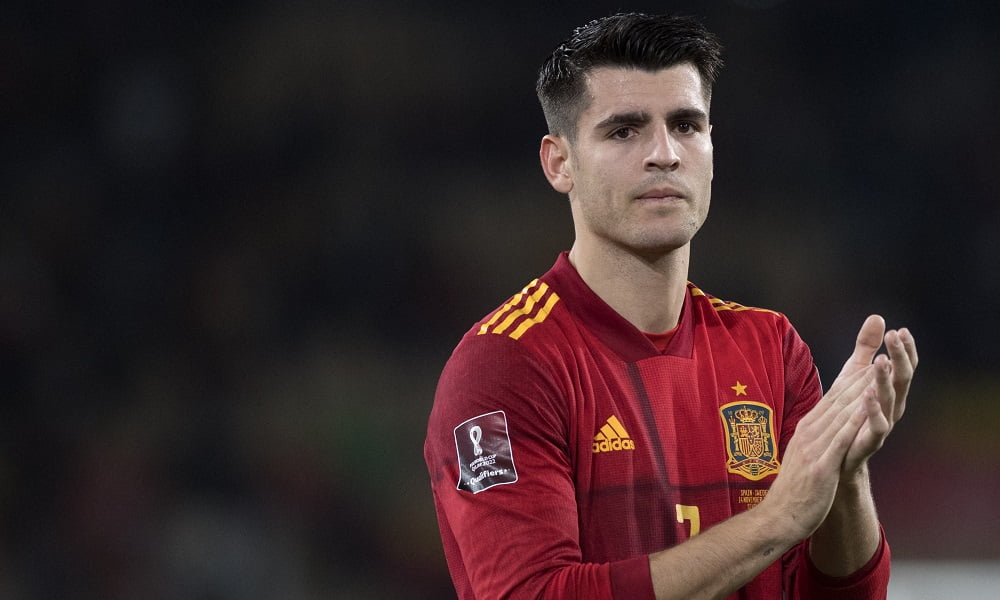
Spain’s national football team has long captured the imagination of fans with its skill, cohesion, and trophy-winning pedigree.
Yet the story behind each squad call-up runs deeper than legendary coaches or iconic moments.
This article takes you inside the modern selection process, where analytics and tradition work side by side.
We’ll break down the numbers, tools, and hidden factors that guide Spain’s choices—revealing why some players earn that coveted red shirt while others wait their turn.
If you want to understand how one of football’s most successful teams blends new data with old wisdom, you’re in the right place.
How Spain blends football tradition and analytics in national team selection
For decades, Spain’s national team relied on the sharp eye and intuition of its coaches. Selection meetings were dominated by debates over recent club form, big-match experience, and a gut sense of which players would fit the group.
That approach still matters—but it’s now joined by an unprecedented level of data-driven decision-making. Today, every potential call-up is scrutinized with advanced analytics, from detailed passing networks to defensive positioning heatmaps.
What stands out is how Spain doesn’t abandon its traditions. Instead, selectors layer modern analytics on top of footballing values: tactical intelligence, chemistry, and mental resilience. The process is collaborative, with input from scouts, sports scientists, analysts, and former players.
If you’re interested in the history behind this evolution—or want to see how different coaches have shaped the process—check out this in-depth guide on Spain national team coaches.
Performance metrics: beyond goals and assists
The days when goal tallies alone earned a call-up are over. Now Spain’s analysts pore over passing accuracy in tight spaces, successful defensive recoveries under pressure, and chance creation off the ball.
This shift is backed by research. A 2023 study titled Advanced Player Metrics Impact demonstrated that Spain increasingly selects players who excel in these hidden aspects—especially those whose defensive work and technical reliability stand out during congested matches.
I’ve seen players get their first cap not because they scored more than rivals but because their recovery runs or pass completion under pressure fit exactly what coaches demanded for that tournament cycle.
Tactical compatibility and playing style
Spain’s identity is built around possession football—short passes, movement between lines, patient buildup from the back.
Selecting for this style means looking far beyond highlight reels. Data teams track pressing intensity (how often a player wins back possession), progressive carries into dangerous areas, and even positional discipline in slow-tempo matches.
A 2023 paper on Tactical Fit Analysis outlines how Spanish selectors use these insights to identify who can thrive within their fluid system—and which promising talents might struggle to adapt at international pace.
Physical and psychological profiling
The pressure cooker of a World Cup or Euro isn’t just about tactics—it’s a test of mental toughness and peak fitness.
Today’s selection process pulls data from wearables tracking sprint output during club games as well as psychological assessments measuring resilience under adversity.
A 2023–2024 study on Psychological and Physical Profiling in Football revealed how Spain integrates biometric screening alongside psychological testing before making final squad calls—a strategy that helped explain some unexpected selections ahead of recent tournaments.
Key data points driving squad selection
Every player call-up for Spain’s national team starts with a deep review of relevant data. Selection isn’t about just watching a few matches and checking the scoresheet. Instead, the committee dives into advanced metrics that go far beyond goals and assists.
The process includes reviewing detailed stats on passing, defensive work, tactical fit, and even a player’s psychological profile. Modern selection teams rely on digital reports and real-time analytics to compare candidates across multiple dimensions.
This data-driven approach helps Spain maintain its reputation for selecting players who can both execute their style and withstand the demands of international tournaments. By weaving together numbers from several sources, the committee builds a complete picture—ensuring no potential contributor is overlooked.
Performance metrics: beyond goals and assists
Gone are the days when scoring or assisting was enough to guarantee a call-up. Spain’s staff looks at everything from pass completion rates to ball recoveries and pressing actions.
For example, in 2023, selectors leaned on detailed analytics showing how midfielders like Rodri contributed more through their interceptions, progressive passes, and ability to dictate tempo than by finding the net themselves.
The use of comprehensive stats lets coaches spot undervalued contributors—like defenders who break up attacks or attackers who excel in creative build-up play. According to Spain’s Use of Advanced Player Statistics, this level of detail directly influenced squad choices last year, highlighting creative output and defensive reliability as equally vital as headline stats.
Tactical compatibility and playing style
Spain’s signature possession-based football places unique demands on each squad member. Coaches need players who not only have technical skill but also excel at holding position, pressing in sync with teammates, and moving fluidly within tight spaces.
Tactical analysis now includes GPS-tracked movement patterns and data on high-intensity pressing phases. These insights help selectors choose players who fit seamlessly into the group rather than just picking the “best” individuals on paper.
A 2023 study on data-driven tactical selection models found that Spain regularly uses this approach to preserve its distinctive team identity while adapting tactics for each opponent—a delicate balance that has paid off in major tournaments.
Physical and psychological profiling
High-level football demands both peak physical conditioning and mental strength. The Spanish staff monitors everything from distance covered per match to stress responses under pressure using wearable tech and regular assessments.
This information is vital during high-stakes competitions where recovery times are short and expectations enormous. Psychological profiling—looking at resilience, focus, and ability to thrive in group settings—now carries real weight alongside physical test results.
Innovations in Football Psychological Profiling reveals that recent cases saw Spanish coaches favoring players with proven mental toughness—even over technically superior options—to foster unity during challenging moments at major tournaments.
How technology is reshaping Spain’s approach to squad selection
Technology isn’t just a buzzword in Spanish football—it’s now at the core of how the national team identifies and selects talent.
From AI-powered scouting to real-time health tracking, new tools help coaches spot hidden potential and manage player readiness better than ever before.
The staff now relies on advanced video analysis, wearable sensors, and centralized data dashboards to make faster, smarter decisions about who should represent Spain on the world stage.
Video analysis and AI-powered scouting
Spain’s technical team watches far more than just highlights—they use AI-driven video platforms that break down thousands of minutes of match footage for every candidate.
This technology pinpoints patterns no human could reliably spot, such as defensive positioning under pressure or off-ball movement against pressing teams.
A 2023–2024 study on AI in football talent evaluation showed how Spain used machine learning not only to assess individual strengths and weaknesses but also to adjust tactical setups before big matches.
The result: fewer surprises during competitions, with selections based on hard evidence instead of guesswork or reputation alone.
Wearables and biometric data
If you’ve noticed players wearing chest straps or small GPS packs during training, those aren’t just for show—they’re crucial for measuring everything from heart rate variability to sprint intensity.
Spain’s coaching staff uses this real-time data to detect fatigue before it becomes a problem and plan rotations that keep everyone fresh for key fixtures.
One 2023 review on wearables in elite football highlighted how these devices have helped national teams like Spain reduce injuries while maximizing high-performance periods throughout tournaments.
This science-backed approach means players are selected not just for skill but for their proven ability to stay fit when it matters most.
Centralized data platforms for coaches
The era of paper dossiers is over. Today, Spain’s staff taps into integrated digital platforms where scouting reports, medical histories, match analytics, and training loads all live in one place.
This centralization allows coaches and analysts to spot trends quickly—say, a recurring injury risk or a sudden drop in pressing numbers—without sifting through endless files or emails.
Recent research on data integration systems in football management showed how these dashboards have become essential for coordination among Spain’s selectors since 2023, enabling faster decisions that reflect the full picture of each candidate’s readiness and fit with the squad.
I’ve seen how this shift makes debates sharper and more productive; every stakeholder comes armed with up-to-date information rather than personal hunches or outdated stats.
Balancing data with the human element
Numbers guide Spain’s selection process, but the real magic often happens when analytics meet intuition.
Spain’s selectors have learned that experience, leadership, and chemistry can turn a group of talented individuals into champions.
This blend of human judgment and hard data means decisions aren’t just about stats on a page—they’re about building a squad that can handle the pressure, inspire each other, and thrive together under the spotlight.
The value of experience and leadership
In high-stakes tournaments, raw talent only goes so far. The selectors often look past statistics to find players who have weathered tough matches and know how to lead by example.
A 2024 study on Leadership Roles in Team Selection points to several recent cases where Spain chose seasoned veterans over younger players with better metrics. The reason? Experience on the big stage can steady nerves when it matters most.
These leaders serve as role models in training and set standards for professionalism, helping younger teammates adapt to the demands of international play. In my view, this unquantifiable edge is something that even the most advanced algorithms still struggle to capture fully.
Managing media and public pressure
Selection decisions for Spain’s national team don’t happen in a vacuum—especially when millions of fans are glued to every move.
Spanish media outlets can create strong narratives around certain players or styles, sometimes adding tension between what data suggests and what supporters demand. A 2023 analysis titled Influence of Media on Football Selections explains how coaches are often forced to balance statistical models with the reality of public opinion.
I’ve seen this play out ahead of major tournaments: sometimes an unexpected player makes the cut because their inclusion calms media storms or energizes fan support—both critical factors in a country where football is practically a religion.
Chemistry and team morale
No amount of individual brilliance can compensate for poor squad chemistry. Spain’s coaches have become adept at identifying players whose personalities mesh well with others—even if their personal stats don’t top the charts.
A 2023 report on Team Dynamics and Performance highlights just how influential group cohesion is on match outcomes. Spanish selectors regularly prioritize harmony and mutual trust when making final decisions.
I’ve noticed that squads with strong camaraderie tend to go further than those packed with star names alone. It’s proof that in football—especially at this level—the whole is almost always greater than the sum of its parts.
Bringing data and tradition together in Spain’s selection strategy
Spain’s approach to national team selection shows how football has evolved far beyond simple gut instinct or statistics on paper.
The federation now marries rigorous data analysis with the seasoned eye of coaches steeped in Spanish football culture.
Technological advances offer unprecedented insight, but what stands out is how selectors weigh these findings against intangibles like chemistry, resilience, and experience.
This blend is what keeps Spain at the top—never losing sight of the human touch even as the numbers grow more complex.
For anyone following La Roja, understanding this balance reveals why building a truly great squad is both science and art.


Other News