Features
Great football clubs: history and achievements
In this article, we will explore the history, achievements and influence of clubs such as Real Madrid, Manchester United, Barcelona, Bayern Munich, and Juventus

Football is not just a game; it is a whole culture that unites millions of fans around the world. At the heart of this passion are outstanding clubs that have become symbols of international football. In this article, we will explore the history, achievements, and influence of legendary clubs such as Real Madrid, Manchester United, Barcelona, Bayern Munich, and Juventus.
History and traditions
Real Madrid was founded in 1902 by a group of football enthusiasts led by Juan Padrós. The club quickly gained popularity and became one of the most successful in the world, thanks to its rich history of victories in national and international competitions. Numerous Champions League triumphs have been important milestones, strengthening the club’s status on the global stage.

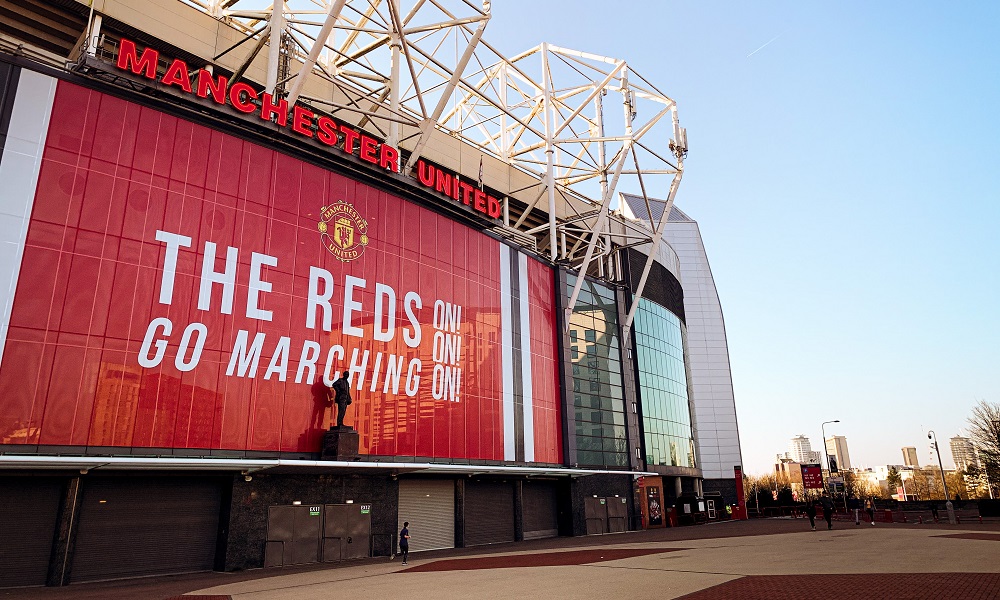
Manchester United was founded in 1878 under the name Newton Heath (Lancashire and Yorkshire Railway). In 1902, the club adopted its current name. Under the leadership of Sir Alex Ferguson, Manchester United achieved remarkable success, including winning the Premier League 13 times. The club is known for its passion for attacking football, which has become an integral part of its rich tradition.
Barcelona, founded in 1899 by a group of Swiss, English, and Catalan footballers led by Joan Gamper, has become a symbol of Catalan culture over time. Known for its tiki-taka style of play, the club has won numerous titles in La Liga and the Champions League. Barça, as it is commonly known, is more than just a football club and is famous for its social and political initiatives.
Bayern Munich was founded in 1900 by a group of young footballers who split from the MTV 1879 gymnastics club. The team quickly achieved success, becoming a dominant force in German football. A special highlight in its history is the 2013 Champions League victory, which allowed the club to complete a treble that season.
Juventus, founded in 1897 in Turin by a group of local students, has gradually grown into Italy’s most successful club. The Old Lady is remembered for its numerous Serie A victories and two Champions League trophies. The club is also known for its iconic black-and-white striped kit and its loyal fans around the world.
These clubs not only define football in their respective countries, but also symbolize a cultural heritage that embodies traditions passed down through generations. They shape sporting achievements while also influencing society through their values and active participation in social initiatives.
Impact on culture and society
Football clubs such as Real Madrid, Manchester United, Barcelona, Bayern Munich, and Juventus have a significant impact on culture and society not only in their home countries but also around the world.
These clubs are more than just sports organisations; they are important social institutions that help shape cultural traditions and actively participate in public life. Social responsibility is a key part of their philosophy. Each club implements numerous charitable projects aimed at supporting vulnerable groups. For instance, Barcelona is well known for its work through the Barça Foundation, which supports children with disabilities and helps young people from disadvantaged areas access education. Manchester United also has its own charitable organisation, focusing on improving the health and well-being of young people.
The clubs actively support local traditions while promoting the development of new cultural identities. Real Madrid and Barcelona, for example, are not only symbols of Madrid and Catalonia but also powerful representatives of Spanish culture on the international stage. They encourage youth participation in sport by organising tournaments, educational programmes, and cultural events.
Charitable engagement is another crucial aspect of their influence. Bayern Munich and Juventus also work closely with organisations that support children and young people in their own countries and abroad. Such initiatives strengthen the clubs’ positive reputations and demonstrate their commitment to social welfare. For fans who enjoy following their favourite clubs off the pitch or engaging with football-related entertainment online, accessing extra features is easy—simply use the Revery Play login to explore games, rewards, and promotions.
These football clubs exemplify how sport can extend beyond the playing field to make a meaningful contribution to society and culture. Their social responsibility programmes inspire other clubs and organisations to take similar action, fostering a global community where sport serves as a tool for unity and positive change.
Sporting achievements
Real Madrid is one of the most successful football clubs in the world in terms of trophies won. Throughout its history, the club has claimed 36 Spanish championships, 20 Copa del Rey titles, a record 15 UEFA Champions League trophies, and 8 Club World Cups. These accomplishments have made Real Madrid a global symbol of footballing success.
FC Barcelona also boasts an impressive record. The club has won La Liga 27 times, the Copa del Rey 31 times, and has lifted the UEFA Champions League trophy 5 times. Known for its attacking style of play and innovative approach to football, Barcelona has contributed significantly to the sport’s popularity worldwide.
Liverpool, a cornerstone of English football, has secured 19 English league titles, 8 FA Cups, and 6 European Champions Cups—a record among English clubs. The Merseyside club is celebrated for its rich history and its lasting influence on both English and European football.
Bayern Munich dominates German football, with 33 Bundesliga titles and 6 Champions League victories. The club is renowned for its stability and consistent success on the international stage, establishing itself as one of Europe’s most accomplished teams.
Juventus, a giant of Italian football, has won 36 Serie A championships, 15 Coppa Italia titles, and 2 Champions League trophies. The club is notable for maintaining a high level of competitiveness over decades, solidifying its place among the world’s football elite.
Manchester United has won 20 English league titles, 12 FA Cups, and 3 Champions League trophies. The Red Devils are celebrated for their storied history, resilience, and enduring impact on world football.
Each of these clubs not only boasts a remarkable list of sporting achievements but has also played a pivotal role in shaping modern football. Their successes at both national and international levels enhance the prestige of the sport and create a broader cultural and societal impact, illustrating how football transcends the pitch to influence fans and communities worldwide.
Great players and coaches
Throughout the history of world football, countless outstanding players and coaches have made invaluable contributions to the sport. Each has left a unique mark, influencing not only their teams but also global football through playing styles, tactics, and the development of young talent.
Names like Pelé, Diego Maradona, Lionel Messi, and Cristiano Ronaldo immediately come to mind. Pelé was not only an extraordinary striker but also a symbol of Brazilian and world football. His effortless style and incredible technique inspired millions of fans and aspiring footballers. Diego Maradona, another iconic figure, is remembered for his unmatched skill and charisma on the pitch, particularly during the 1986 World Cup, where he single-handedly led Argentina to victory.
Lionel Messi and Cristiano Ronaldo have been competing for the title of the best footballer of their era for many years, each setting numerous records. Their rivalry has elevated modern football, raising the bar for skill and professionalism across the sport.
Equally important are the exceptional coaches who shaped these great teams. Sir Alex Ferguson, the longtime manager of Manchester United, is renowned for his ability to build winning teams over decades. His strategic thinking and talent for motivating players transformed United into one of the most successful clubs in history.
Johan Cruyff is another seminal figure, who revolutionised Barcelona as a coach and introduced the playing philosophy known as tiki-taka. His influence continues today through disciples such as Pep Guardiola, who has set new standards in modern football.
Thanks to these remarkable personalities, clubs continue to dominate the international stage and capture the hearts of millions of fans. Their contributions and legacies are integral to the history of the clubs they represented, creating a unique atmosphere and unforgettable moments on the pitch.
Financial aspects and management
Financial management is a critical component of the success of the world’s most famous football clubs. A club’s value, revenue streams, marketing strategies, and organisational management not only ensure stability on the pitch but also lay the foundation for future sporting achievements.
A club’s value depends on several factors, including market popularity, on-field success, and the presence of star players. For example, clubs such as Real Madrid and Manchester United regularly top the lists of the world’s richest clubs, thanks to a combination of high commercial value and rich historical heritage.
Revenue comes from multiple sources: television rights, sponsorship deals, ticket sales, and merchandise. Giants like FC Barcelona implement large-scale marketing strategies that reach a global audience, attracting fans worldwide. This ensures a stable flow of income, which is essential for developing young talent and maintaining a high level of team performance.
Equally important is effective financial management. Transparent and strategic decision-making allows clubs to optimise costs while investing in infrastructure, youth academies, and staff training programmes. These investments improve sporting performance and enhance commercial appeal, creating a strong foundation for long-term success.
Financial success directly supports sporting achievements. Clubs with stable finances can retain star players and attract new talent, allowing teams to continually strengthen. This creates a virtuous cycle, where economic and athletic success reinforce each other, ensuring sustained leadership in world football.
An analysis of these financial strategies shows that a careful balance of economic planning and sporting ambition is key to triumph, contributing not only to success on the field but also to a club’s reputation as a global brand.
Frequently asked questions (FAQ):
Which club has the most European titles?
Real Madrid holds the record for European trophies, including 15 UEFA Champions League titles.
When was Manchester United founded?
Manchester United was founded in 1878 under the name Newton Heath LYR Football Club.
What does Barcelona’s motto mean?
Barcelona’s motto, “Més que un club”, translates as “More than a club,” reflecting its significance in Catalan culture.
Which German club has won the most national titles?
Bayern Munich holds the record in Germany with 33 national championships.
What international trophies has Juventus won?
Juventus has won two European Champion Clubs’ Cups/UEFA Champions League titles, three UEFA Cups, and many other international honours.
Football clubs such as Real Madrid, Manchester United, Barcelona, Bayern Munich, and Juventus have left an indelible mark on the history of the sport. Their numerous achievements have set a high standard for clubs worldwide, and their influence extends beyond the football pitch into culture, economics, and social life.