Features
Leading contenders to win the 2025-26 Champions League
Here are the five leading contenders to win the 2025-26 Champions League title including PSG, Liverpool, Arsenal and Real Madrid.

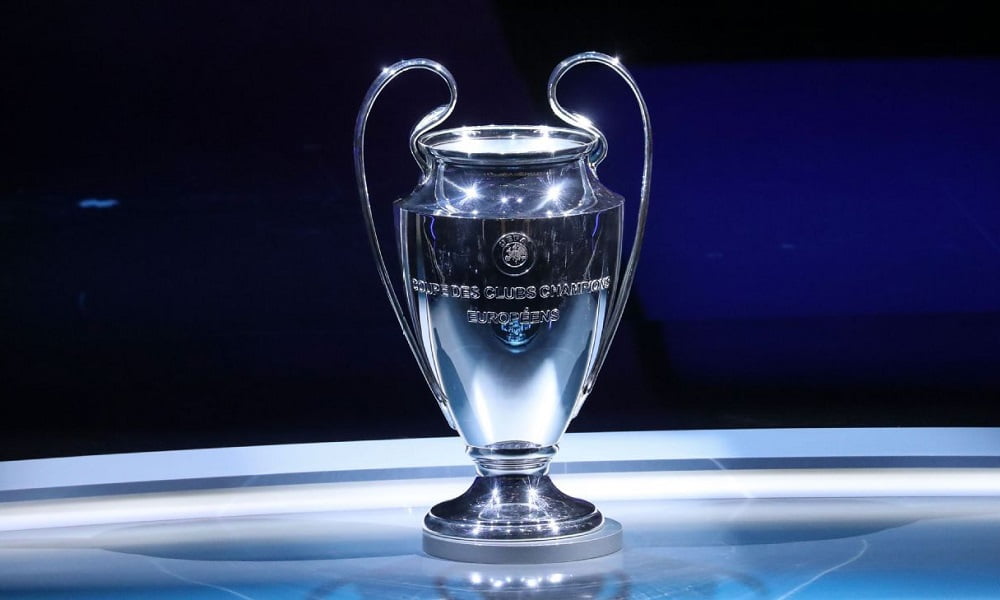
With Europe’s top domestic campaigns now wrapped up, the participant list for the upcoming 2025–26 UEFA Champions League has mostly been finalised. However, several clubs are still left to battle through the qualification stages. Entry has been earned either through league results, competition wins, or the recently introduced ‘European Performance Spots’ awarded to associations that posted the highest UEFA coefficient performances last season.
The overhaul of UEFA’s elite competition structure guarantees not only a larger number of fixtures but also an expanded range of teams and narratives, ensuring heightened drama and engagement throughout. The shift to a 36-team league phase—replacing the previous 32-club format—promises broader representation and deeper competition. Champions League tickets sold extremely well for the first year of the new format so UEFA will be very pleased how it went.
From the Premier League, Liverpool, Chelsea, Manchester City, and Arsenal have already punched their tickets through domestic placement. Thanks to the strength of English sides in European competitions during 2024–25, England received one of the coveted coefficient-based performance slots, giving fifth-placed Newcastle United a spot in the revamped tournament.
Pep Guardiola had to wait longer than usual to confirm City’s participation, with the Catalan tactician even likening qualification to lifting silverware—a reflection of the evolving intensity at the top of the English table.
This year’s Champions League climax—a dominant 5–0 victory for Paris Saint-Germain over Inter—marked the French side’s long-awaited breakthrough. But if history is any indication, clubs that secure direct league entry tend to go deeper into the competition than those emerging from the qualifiers.
As attention shifts toward next season’s campaign, traditional powerhouses from Spain and England remain among the leading contenders. The summer transfer window has already begun shaking things up: Trent Alexander-Arnold has joined Real Madrid from his boyhood club Liverpool, Arsenal have all but completed a move for a centre-forward who they lacked during last season’s Champions League run, Manchester City are carrying out adequate reinforcements, and Liverpool have been ambitious in the transfer window with deals for Florian Wirtz, Jeremie Frimpong, and Milos Kerkez being completed. Over in Madrid, the arrival of Xabi Alonso as head coach has sparked intrigue about the direction of his new-look side.
For teams chasing the final seven league-phase places, the road began on 8 July 2025, when the opening qualifying rounds kicked off. These early fixtures will run across both the Champions Path and League Path, pitting hopefuls from more minor leagues against one another in pursuit of a coveted seat at the European table.
With the Club World Cup recently concluded, we’ve already caught a glimpse of several outfits that’ll compete in next season’s Champions League. Yet even with new faces and surprises expected, the spotlight is now fixed on the top-tier candidates—and who’s most likely to rise in this reimagined continental showdown.
Here are the five leading contenders to win the 2025-26 Champions League title.
1. Real Madrid
Europe’s most decorated club remain a perennial contender for the continent’s biggest prize—and even in a transitional phase, Real Madrid’s pedigree ensures their name is never far from the favourites. Under Xabi Alonso, who has enjoyed a promising early spell at the helm, the club is entering a new chapter with a squad that’s rich in young talent poised to take the next step.
After a campaign in 2024–25 that fell short of their usual lofty standards, Madrid will be hungry to return to silverware contention. The additions made this summer—most notably the acquisition of Trent Alexander-Arnold—address certain shortcomings, particularly in the creative department.
Still, significant questions remain, especially regarding positional overlap in the final third. Alonso must work out how to orchestrate an attacking system that maximises both Kylian Mbappé and Vinícius Júnior without them treading the same ground.
While expectations are high across all fronts, and improvement is anticipated, it’s unclear whether Madrid are quite ready to recapture their European dominance. The club is recalibrating under a new regime, and although there is quality throughout the ranks, cohesion is still a work in progress.
Regardless of their current uncertainties, ruling out Los Blancos in the Champions League is always a mistake. They’ve built their legacy on rising to the occasion, and even amid change, their threat remains.
2. Liverpool
Liverpool have made a head-turning start to the transfer window, snapping up Florian Wirtz, Jeremie Frimpong, and Milos Kerkez to reinforce a squad already bursting with potential. While the departure of Trent Alexander-Arnold might sting, the additions suggest the team could be in even better shape heading into next season.
With Arne Slot enjoying an impressive debut campaign in charge, there’s a strong sense that the Dutchman’s tactical ideas will be more deeply embedded this coming season. The groundwork has been laid, and with a more familiar system now in place, further evolution looks inevitable.
There is a slight unknown, however, in how Slot’s men will juggle the physical demands of competing across several fronts. Still, with Anfield’s rich European pedigree and the magic that so often surrounds their continental fixtures, few will doubt their credentials on the big stage.
This competition could take on extra importance now that the Reds have ended their long Premier League drought under Slot’s leadership. Their appetite for more silverware—particularly in Europe—should not be underestimated.
Liverpool’s blend of experience and youth, bolstered by the club’s formidable academy pipeline, provides ample cause for optimism. With another well-calculated move or two in the market, they may emerge not just as hopefuls, but as genuine favourites.
3. Arsenal
Mikel Arteta couldn’t hide his disappointment last season after Arsenal were edged out by Paris Saint-Germain in the Champions League semi-finals—yet he stood firm in his belief that his side had been the competition’s most complete outfit.
The Spanish manager has breathed new life into the Gunners, guiding them not only back as Premier League contenders but also restoring their status on the European front, having led them to their first Champions League semi-final in over a decade and a half. Judging by their activity in the transfer market, there’s no doubt they intend to push beyond that mark next time around.
While few teams in Europe boast Arsenal’s defensive solidity, what separates the great from the elite is attacking efficiency—a hurdle Arteta’s side must overcome if they want to dominate the upper echelons of Europe.
Throughout the campaign, the absence of a clinical striker became glaring. This summer appears destined to fix that flaw, with a centre-forward acquisition expected to arrive—one that could elevate them to another level entirely. And with Bukayo Saka and Martin Ødegaard fit and firing, the Gunners may finally be ready to mount a serious charge on all fronts.
4. Barcelona
Though they came up short in Europe last season, Barcelona under Hansi Flick now possess a stronger understanding of what it takes to thrive at the highest level. Their youthful core has been battle-tested, and what they lack in age, they make up for in ambition. The ceiling remains distant—this is a side still discovering itself, yet already capable of threatening Europe’s finest.
Led by the fearless Lamine Yamal, who, despite being just 17, displays the temperament of a seasoned veteran, the Catalans boast an attacking arsenal many would envy. The teenager’s composure and quality are staggering, and as his development continues, Barcelona’s prospects only grow stronger.
Pedri pulling the strings from midfield and Raphinha operating at a level comparable to football’s most celebrated wingers gives Flick’s setup a cutting edge. Even with the inevitable slowing down of Robert Lewandowski, Ferran Torres has proven his ability to step in and lead the attack convincingly.
While reinforcements are still necessary in defence, even marginal upgrades in that department could be decisive given their performances across the past campaign.
From January onwards, Barcelona played with flair and confidence, showing flashes of the old dominance. With another year of growth, fans with Barca tickets may feel they are Europe’s most dangerous team in waiting.
5. Paris Saint-Germain
Having finally captured their maiden Champions League crown, Paris Saint-Germain are no longer chasing history—they’re defending it. With a squad built around vibrant, energetic youth, the Parisians now enter a phase where maintaining dominance is not just plausible but expected.
Luis Enrique has transformed the club’s identity, steering away from marquee egos toward a model defined by cohesion, youth, and tactical clarity. The outcome? A Champions League title earned through grit, not glamour. Their most vital assets appear secure, and further reinforcements could push them even higher.
The core group is loaded with talent and years of experience. Names like Willian Pacho, Joao Neves, Bradley Barcola, Nuno Mendes, Khvicha Kvaratskhelia, Vitinha, and Desire Doue are all on the right side of 25, maturing rapidly under Enrique’s system while gaining invaluable minutes on Europe’s biggest nights.
They might resist the temptation to chase another marquee name this transfer window, but the reality is—they don’t have to. Even without additions, this squad exudes danger. With their depth and versatility, they’re positioned to match—if not exceed—the standards they set last season.
Historically, consecutive Champions League wins are elusive—only the most relentless sustain that edge. But PSG’s shift in ethos suggests they’re more than a one-season wonder. They have the youth, the tactical structure, and now, the belief—and they’ll be among the fiercest to stop.


Other News