Features
The Boys of ’66: How Alf Ramsey’s Team Changed English Football Forever
As a writer who has spent my career chronicling the beautiful game, few stories resonate quite like the one about the 1966 England World Cup team.

As a writer who has spent my career chronicling the beautiful game, I can tell you that few stories resonate quite like the one about the 1966 England World Cup team. It’s a tale of a nation’s hope, a visionary manager, and a group of players who achieved something no other English team has ever managed. My fascination with this era stems not just from the victory itself, but from how that one team, under the quiet and brilliant leadership of Sir Alf Ramsey, fundamentally and forever changed English football. Before 1966, the English game was often seen as traditional, even a bit rigid. The win at Wembley didn’t just bring home a trophy; it ushered in an era of tactical innovation, professional pride, and a global recognition that England, the birthplace of modern football, could compete at the very highest level.
The Unlikely Architect: Alf Ramsey’s Revolutionary Vision
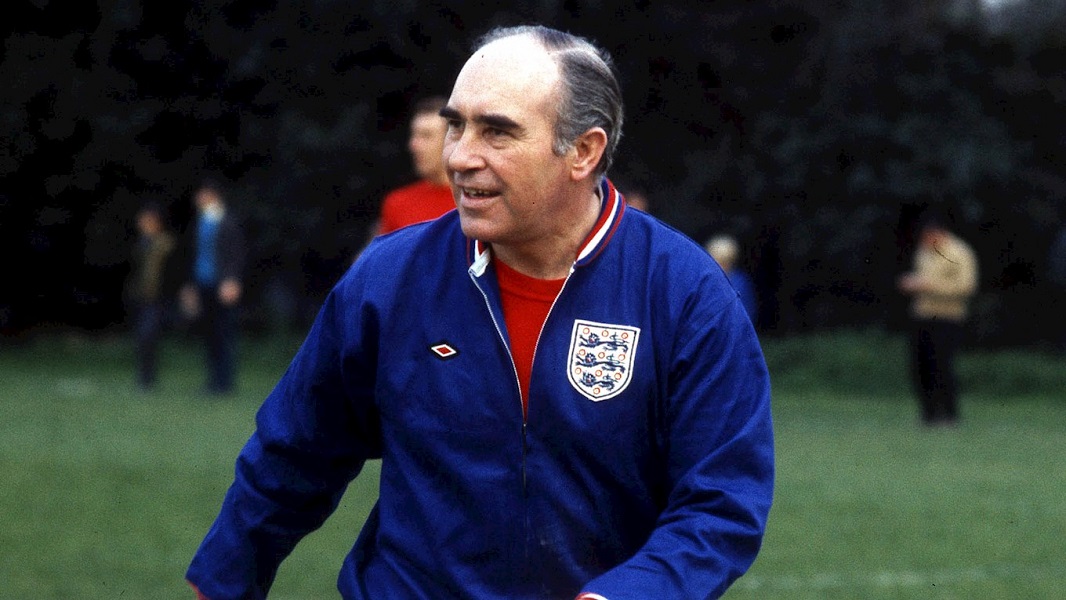
To understand the magnitude of the 1966 victory, you have to first understand the man who made it happen. Alf Ramsey was an enigma. He wasn’t a charismatic, headline-grabbing personality like some managers today. In fact, he was often seen as reserved, even aloof. But what he lacked in showmanship, he more than made up for in tactical genius and an unwavering belief in his methods. When he took over the England job in 1963, he made a bold and now-famous promise: “We will win the World Cup.” At the time, this was seen as pure hubris. England had a history of underperforming on the international stage, and many believed our style of play was outdated.
Ramsey’s first great change was to break with tradition. He took complete control of team selection and tactics, something unheard of for an England manager then. He was known for his “Ramsey’s Riches,” a term I’ve always admired for its simplicity and truth. He believed that the best team wasn’t necessarily the one with the 11 most talented individuals, but a cohesive unit where every player understood their role perfectly. This was a radical departure from the prevailing wisdom of the day, which often favored star players regardless of their fit within the team structure. He famously discarded the traditional winger system, a staple of English football for decades, in favor of a narrow, compact midfield. This move was initially met with widespread skepticism. Pundits and fans alike criticized the lack of width, but Ramsey saw the bigger picture. He envisioned a team that could control the midfield, press relentlessly, and exploit space centrally.
The Rise of the Wingless Wonders
The tactical masterstroke of the 1966 team was undoubtedly the so-called “Wingless Wonders.” Ramsey’s 4-4-2 formation, with four midfielders across the pitch, was groundbreaking. Instead of relying on traditional wingers to provide crosses, he used players like Martin Peters and Alan Ball to drift into wide positions, creating chaos for opposing defenses. This was a sophisticated, fluid system that relied on intelligence and tireless running. It was a strategy that was so ahead of its time it’s difficult to make casino comparisons to it today, where every move feels calculated and known. Back then, it was pure, unadulterated genius. He also had a core of players who perfectly executed his vision. The calm and composed Bobby Moore at the back, the relentless running of Nobby Stiles in midfield, and the lethal finishing of Geoff Hurst up front. Each player was a cog in Ramsey’s meticulously designed machine.
The World Cup itself was a tense affair. England navigated the group stage, then defeated Argentina in a notoriously physical quarter-final. The semi-final against Portugal was a brilliant tactical battle, with England’s narrow formation stifling the legendary Eusébio. By the time they reached the final against West Germany, the nation was captivated. The match at Wembley was a rollercoaster of emotions. I’ve watched the footage countless times, and the drama never fades. The final moments, the famous commentary, Geoff Hurst’s hat trick, it’s all etched into the national psyche. The victory wasn’t just a win; it was a vindication of Ramsey’s entire philosophy. It proved that English football could be innovative, disciplined, and successful on the world stage.
| Player Name | Position | Club at the time |
| Gordon Banks | Goalkeeper | Leicester City |
| George Cohen | Right Back | Fulham |
| Jack Charlton | Centre Back | Leeds United |
| Bobby Moore | Centre Back (Captain) | West Ham United |
| Ray Wilson | Left Back | Everton |
| Nobby Stiles | Defensive Midfielder | Manchester United |
| Alan Ball | Midfielder | Blackpool |
| Bobby Charlton | Attacking Midfielder | Manchester United |
| Martin Peters | Midfielder | West Ham United |
| Geoff Hurst | Striker | West Ham United |
| Roger Hunt | Striker | Liverpool |
A Lasting Legacy and a Cultural Shift
The impact of the 1966 victory went far beyond the trophy cabinet. It had a profound and lasting effect on the culture of English football.
- A new standard of professionalism: Ramsey instilled a sense of discipline and professionalism that became the benchmark for future generations.
- Tactical innovation became accepted: The success of the “Wingless Wonders” proved that straying from traditional methods could lead to greatness. It opened the door for managers to experiment with new formations and strategies.
- The birth of the ‘winner’s mentality’: The 1966 team showed that with the right mentality, belief, and preparation, England could be a dominant force. It instilled a sense of national pride and expectation.
- Global recognition: The win put English football on the international map in a way it had never been before. It was a statement to the world that the game’s inventors were still major players.
It’s no exaggeration to say that the legacy of this team is felt to this day. Sir Alf Ramsey’s principles influenced a whole generation of managers, from the way they approached tactics to how they built a team. His methods were a blueprint for success, and even Ferguson, known for his own tactical genius and man-management skills, would acknowledge the foundational importance of Ramsey’s work in elevating the English game.
The Unforgettable Enduring Appeal
The boys of ’66 are more than just a footnote in history; they are a living legend. Their story is a reminder that true greatness comes not from individual talent alone, but from a collective, unified effort led by a clear, unwavering vision. They showed the world that a team built on intelligence, hard work, and a shared purpose can achieve the impossible. I often find myself reflecting on that era, and the lessons it holds for us all. It’s about daring to be different, believing in your plan, and surrounding yourself with people who share your vision.
The story of the 1966 team is an integral part of English sporting history, and their achievement stands as a powerful testament to the power of a visionary leader and a dedicated team. Their legacy continues to inspire, and their victory serves as a beacon of what can be achieved with courage and conviction. So next time you see a tactical masterclass on the pitch, or a team playing with a collective spirit, take a moment to remember the boys of ’66. They laid the groundwork for it all, and for that, we owe them a debt of gratitude. Go and watch some of the old footage, read a book about Alf Ramsey, and let yourself be inspired by a victory that truly changed everything.


Other News