Features
The Premier League and Gambling: A Complete Analysis of Football’s Most Controversial Partnership
The relationship between Premier League clubs and gambling companies has evolved into one of football’s most debated issues.

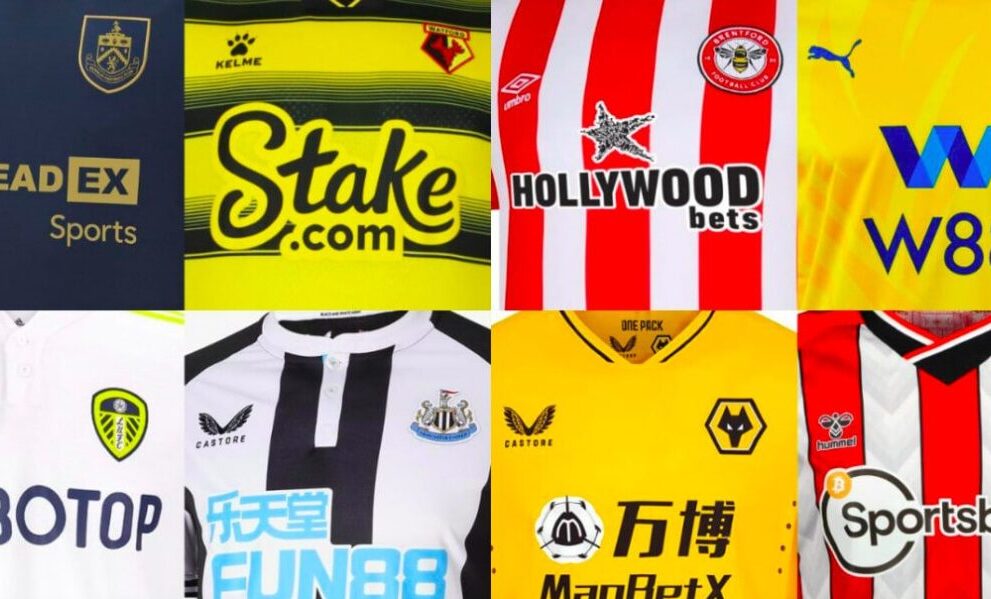
The relationship between Premier League clubs and gambling companies has evolved into one of football’s most debated issues. Millions of pounds flow between betting giants and top-tier clubs each season. This partnership shapes how fans experience the beautiful game.
The Origins of Gambling in English Football
Gambling sponsorships in English football didn’t emerge overnight. The relationship began modestly in the early 2000s. Lower-league clubs first embraced betting companies as sponsors when traditional brands showed little interest.
The landscape shifted dramatically after 2005. The Gambling Act liberalized betting advertising rules. Premier League clubs quickly recognized a lucrative revenue stream. Within a decade, betting logos became commonplace on football shirts across England.
Current State of Premier League Gambling Partnerships
Today’s Premier League showcases extensive gambling company involvement. The numbers tell a striking story. Half of the league’s clubs maintain shirt sponsorship deals with betting firms. These agreements generate hundreds of millions annually.
Major sponsorship categories include:
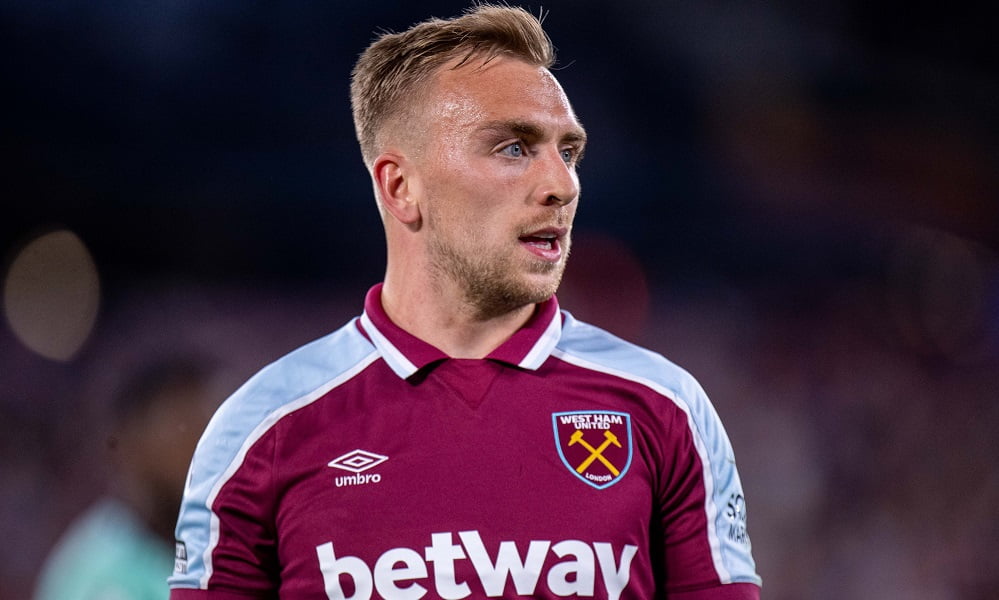
Shirt sponsorships remain the most visible connection. Companies like Fun88, W88, and Betway occupy prime real estate on club jerseys. Stadium naming rights represent another significant investment. Perimeter advertising boards flash betting odds throughout matches.
Digital platforms extend the relationship further. Club websites feature betting partner content prominently. Social media channels regularly promote gambling services. Pre-match shows and halftime segments incorporate betting analysis seamlessly. For many fans, the transition from watching a match to engaging with a platform like Pirots 4 UK is just a click away, blurring the lines between fandom and gambling.
The financial impact proves substantial. Mid-table clubs receive £5-10 million per season from gambling sponsors. These deals often exceed what traditional sponsors would offer. Cash-strapped clubs find the revenue difficult to refuse.
The Controversy and Growing Concerns
Public opinion has shifted noticeably in recent years. Health advocates point to alarming statistics about problem gambling. Research indicates football fans face higher addiction risks than the general population.
Children’s exposure creates particular concern. Young supporters idolize players wearing betting logos. Studies show kids can recall gambling brands more easily than non-gambling sponsors. Critics argue this normalizes betting culture from an early age.
Former players have spoken candidly about gambling addiction. Several high-profile footballers lost fortunes to betting. Their stories highlight the industry’s darker side. Yet their former clubs continue promoting the same companies.
The regulatory environment remains complex. The UK Gambling Commission oversees betting operations. However, enforcement often lags behind industry innovation. Many sponsors operate from overseas jurisdictions with lighter regulation.
Legislative Changes and Industry Response
The government has introduced gradual restrictions. Whistle-to-whistle advertising bans took effect during live broadcasts. This prevents betting ads during match coverage. However, sponsorship deals remain largely untouched.
The Premier League launched a voluntary initiative in 2019. Clubs agreed to phase out front-of-shirt gambling sponsors. The target date was set for 2026. Many observers doubt this timeline will hold firm.
Alternative revenue sources prove challenging to secure. Clubs accustomed to gambling money struggle with replacement sponsors. Economic pressures from COVID-19 intensified this dependence. Some clubs quietly extended existing gambling deals despite public commitments.
Global Perspectives and Comparative Models
Other countries have taken firmer stances. Spain banned gambling sponsorships entirely in 2021. Italian football followed with similar restrictions. Germany limits betting advertising during certain hours.
These markets offer valuable lessons. Spanish clubs initially protested revenue losses. Yet alternative sponsors emerged within two seasons. Most clubs recovered financially without significant disruption.
The English approach remains distinctly permissive by comparison. Industry lobbyists argue for self-regulation over government intervention. They emphasize partnerships with responsible gambling initiatives. Critics view these programs as inadequate window dressing.
The Financial Reality for Clubs
Premier League finances create powerful incentives. Television revenue dominates club income streams. However, sponsorship deals provide crucial operational funds. Gambling companies consistently outbid other potential partners.
Smaller clubs face particularly difficult choices. They lack the global brand appeal of elite teams. Traditional sponsors show limited interest in mid-table sides. Gambling companies fill this gap willingly.
The competitive balance argument carries weight. Restricting gambling sponsorships could widen financial gaps between clubs. Larger teams attract premium non-gambling sponsors more easily. Smaller clubs might fall further behind.
Fan Perspectives and Grassroots Movements
Supporters groups have mobilized against gambling partnerships. Several fan organizations launched campaigns demanding change. They emphasize football’s social responsibility to communities.
Some fans report personal struggles with gambling addiction. They describe the pain of seeing betting ads at their beloved clubs. These testimonials add emotional weight to policy debates.
However, fan bases remain divided. Many supporters view sponsorship sources as irrelevant. They prioritize competitive success over moral considerations. This split complicates grassroots pressure campaigns.
The Future Landscape
Several scenarios could unfold over coming years. A complete ban remains politically possible though unlikely soon. The voluntary phase-out may accelerate if public pressure intensifies. Alternatively, the status quo could persist indefinitely.
Technology will shape future developments. Cryptocurrency gambling platforms seek Premier League partnerships. Virtual reality betting experiences loom on the horizon. Regulators struggle to keep pace with innovation.
International pressure may force changes. UEFA has discussed continent-wide gambling advertising restrictions. A coordinated European approach could override English preferences. Brexit complicates these regulatory alignments.
Conclusion
The Premier League’s gambling partnerships reflect broader tensions in modern football. Financial pressures clash with social responsibilities. Short-term revenue competes against long-term health concerns.
Change appears inevitable, though its timing remains uncertain. The voluntary 2026 deadline approaches rapidly. Whether clubs honor these commitments will define football’s relationship with gambling for years ahead.
The beautiful game faces a critical choice. Can football maintain financial stability while protecting vulnerable supporters? The answer will shape the sport’s integrity and social license for generations.


Other News