Features
Sports injury expert warns footballers not to rush back from injuries too soon
A respected sports injury expert has warned footballers not to rush back from injury too quickly. A new report, based on a research analysis by the…

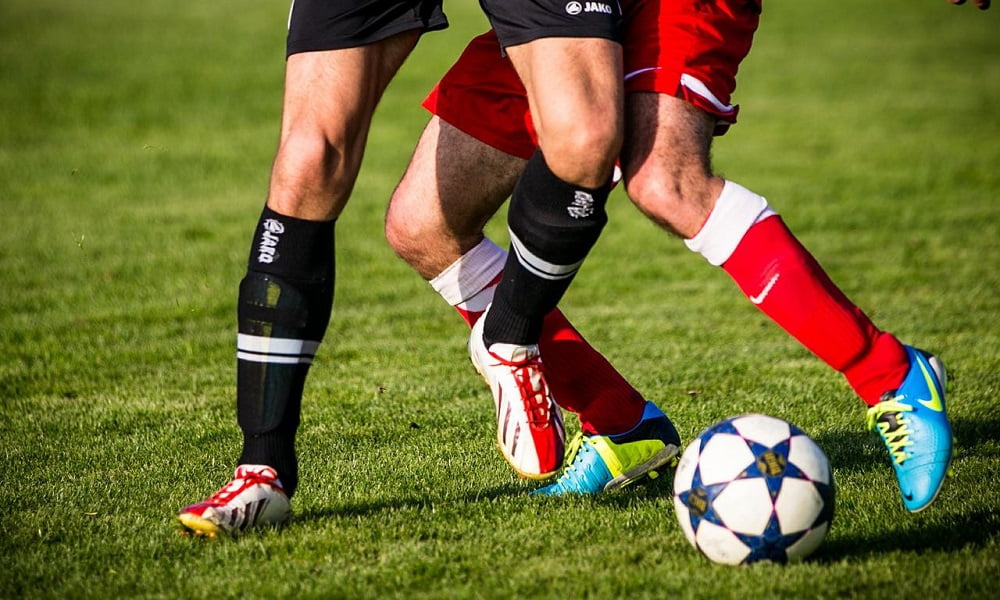
A respected sports injury expert has warned footballers not to rush back from injury too quickly.
A new report, based on a research analysis by the University of Bath’s Dr Sean Williams, has revealed some intriguing elements surrounding injuries in top-class football.
The report identified that a 15-minute window during the second half of matches is when clubs should be most concerned about their players.
The high-risk window, dubbed the ‘real injury time’, starts from the 60th minute and runs until the 75th minute. It is statistically when one-third of total match injuries occur.
The report explains how fatigue plays a key part in injuries. Other factors include the speed of the modern game, and the tendency for matches to be more intense towards the latter stages.
Premier League injury list paints a worrying picture
The latest Premier League injury list (December 4 – 3.16 pm) highlights why clubs must tread carefully when it comes to the fitness of their players.
A total of 81 players are currently sidelined with a wide range of issues, which effectively averages out at four players per club. The list is as follows:
- Arsenal: Kai Havertz, Gabriel Magalhaes, Leandro Trossard, William Saliba, Cristhian Mosquera, Declan Rice.
- Aston Villa: Tyrone Mings, Ross Barkley.
- Bournemouth: Matai Akinmboni, Ben Gannon-Doak, Ryan Christie.
- Burnley: Connor Roberts, Jordan Beyer, Zeki Amdouni.
- Brentford: Antoni Milambo, Fabio Carvalho.
- Brighton & Hove Albion: Adam Webster, Solly March, Jack Hinshelwood, Joel Veltman, Kaoru Mitoma, Georginio Rutter, James Milner, Stefanos Tzimas.
- Chelsea: Romeo Lavia, Levi Colwill, Dario Essugo.
- Crystal Palace: Caleb Kporha, Cheick Doucoure, Rio Cardines, Borna Sosa, Ismaila Sarr.
- Everton: Jarrad Branthwaite, Merlin Rohl, Nathan Patterson, Seamus Coleman.
- Fulham: Antonee Robinson, Rodrigo Muniz.
- Leeds United: Sebastiaan Bornauw, Sean Longstaff.
- Liverpool: Jeremie Frimpong, Giovanni Leoni, Stefan Bajcetic, Jayden Danns, Conor Bradley.
- Manchester City: Rodri, Mateo Kovacic.
- Manchester United: Benjamin Sesko, Harry Maguire, Matheus Cunha.
- Newcastle United: Yoane Wissa, William Osula, Sven Botman, Kieran Trippier, Emil Krafth, Nick Pope.
- Nottingham Forest: Ola Aina, Dilane Bakwa, Oleksandr Zinchenko, Chris Wood, Angus Gunn, Douglas Luiz, Taiwo Awoniyi, Murillo.
- Sunderland: Aji Alese, Dennis Cirkin, Leo Fuhr Hjelde, Habib Diarra.
- Tottenham Hotspur: Dejan Kulusevski, James Maddison, Radu Dragusin, Kota Takai, Yves Bissouma, Dominic Solanke.
- West Ham United: Ollie Scarles, Crysencio Summerville.
- Wolverhampton Wanderers: Leon Chiwome, Matt Doherty, Rodrigo Gomes, Dan Bentley, Marshall Munetsi.
Injury trend continues apace in the Premier League
The report, which was commissioned by Naprosyn Pain Relief to lift the lid on player injuries and rehabilitation, revealed that the average injury keeps players out of action for a week, but nearly one in five injuries results in them spending more than a month sidelined from the sport.
The 2023/24 season was a particularly noteworthy campaign for men’s football in Europe, with a record 4,123 injuries impacting clubs across the continent.
The Premier League accounted for 915 of the overall figure and is currently on course to record another sizeable tally this time around.
One of the primary issues relating to injuries is the temptation to bring players back before they are ready to return to action.
Dr Williams says it is imperative that clubs and players follow a five-phase recovery plan and resist the urge to get back on the pitch too soon.
“The evidence shows that following a structured, phase-based approach to rehabilitation, rather than rushing back too quickly, is crucial for safe return to play,” Dr Williams said.
“This means protecting the injury initially, then progressively building strength and function before returning to full training and matches. Professional or amateur, the rehabilitation principles are the same.”


Other News