Features
Online Casinos: The New Power Players in Premier League Sponsorship
Switch on a Premier League game and it’s nearly impossible to avoid the presence of an online casino or betting operator. We look at this growing trend.

Not long ago, Premier League shirts were dominated by airline logos, telecoms companies, and beer brands. Today, a new player has taken over: online casinos and betting companies. From shirt fronts to LED pitchside boards, gambling brands have become one of the most visible backers of English football — a shift that has changed both the economics and the image of the modern game.
The Rise of Gambling in Football Sponsorship
Switch on a Premier League game and it’s nearly impossible to avoid the presence of an online casino or betting operator. Their branding flashes across LED advertising hoardings, dominates pre-match interviews, and, most recognisably, sits front-and-centre on club shirts. The shift has been rapid. What used to be seen as a sponsorship side hustle — a niche industry compared to car manufacturers or banks — has now become the financial lifeblood for many clubs, particularly those outside the traditional “big six.”

The reasons are simple: football offers unrivalled global reach. The Premier League is broadcast into over 200 countries, with billions of cumulative viewers every season. For online casinos, which are constantly seeking new users in a crowded marketplace, this is gold dust. Aligning with football taps into not just visibility, but also the loyalty and emotional intensity of fandom.
Who’s Sponsoring Whom?
Over the last decade, the number of gambling sponsors in football has exploded. The Premier League is now one of the most lucrative platforms for online casinos to showcase their brands. A few standout examples include:
- Stake.com & Everton – In 2022, Everton signed a record deal with Stake.com worth around £10 million a season, putting the crypto-based casino and sportsbook on the Toffees’ shirts.
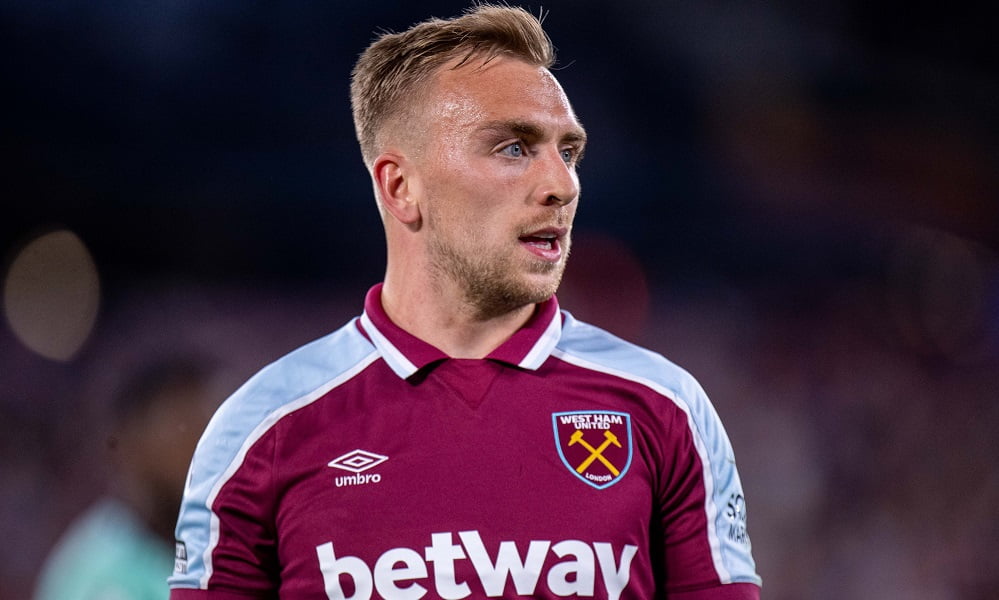
- Betway & West Ham United – Betway has been West Ham’s main shirt sponsor since 2015, one of the longest-running betting partnerships in the league. The deal, reportedly worth £10m annually, has become synonymous with the Hammers’ modern identity.
- Fun88 & Newcastle United – Before Newcastle’s Saudi-backed takeover, Fun88, an Asian-facing betting brand, fronted the club’s shirts. While the partnership has since evolved, Fun88 remains closely associated with the Magpies’ recent past.
- W88 & Aston Villa/Crystal Palace – The Asian casino brand has been a familiar name in English football, appearing on both Villa’s and Palace’s kits in recent seasons.
- Dafabet & Fulham/Bournemouth – Another brand heavily invested in multiple clubs, Dafabet has been a recurring name on Premier League shirts for years.
Even clubs outside the Premier League have embraced these deals. Championship sides often rely on betting companies for main sponsorships, highlighting how gambling has become an essential pillar of English football finance.
Why Casinos Love Football
For online casino operators, football offers something few other industries can match: instant trust and cultural relevance. Fans may not think twice about a car insurance logo on a shirt, but when they see a casino brand linked to their club, it creates a subconscious association between the thrill of the game and the thrill of gambling.
It also helps that online casinos aren’t just about slot machines anymore. Modern platforms combine sports betting, live casino experiences, a variety of casino games and mobile apps designed for fans who want action at their fingertips. Fans love the convenience as online casino PayPal deposits can occur instantly, allowing fans to be playing casino games or betting on games within minutes. Online casinos blur the lines between traditional sports betting and casino play, offering fans an all-in-one digital entertainment hub. Sponsorships then become more than visibility — they’re a funnel drawing football fans directly into their platforms.
The Benefits for Clubs
For football clubs, especially those outside the Champions League elite, these partnerships are difficult to turn down. While global giants like Manchester United or Manchester City can secure deals with technology or airline companies worth hundreds of millions, mid-table or relegation-threatened clubs often depend on gambling money to remain competitive.
Take West Ham and Betway, for instance. That sponsorship deal has reportedly helped fund multiple signings, including the club-record purchase of Sébastien Haller in 2019. For Aston Villa, W88’s injection of cash was essential during their early Premier League survival battles.
Put simply: without casino money, many clubs would struggle to balance the books.
The Growing Controversy
But the marriage between football and gambling is not without its critics. Campaign groups and public health officials argue that the saturation of betting ads normalises gambling for younger audiences, making it seem like a natural extension of fandom. Research shows that problem gambling disproportionately affects younger men, the same demographic most engaged in football culture.
Governments have begun to respond. Spain, for instance, has implemented strict bans on gambling companies sponsoring football shirts. In the UK, pressure is mounting too. From the 2026/27 season, Premier League clubs have voluntarily agreed to remove gambling brands from the front of shirts. However, sleeve sponsorships, training gear deals, and stadium advertising will still be permitted, leaving a loophole for continued visibility.
Football’s Reliance on Casino Money
The debate over gambling in football is complex. On one hand, these deals bring vital revenue to clubs, especially smaller ones who lack global commercial appeal. On the other, the moral cost of aligning the sport with an industry often associated with addiction and financial hardship cannot be ignored.
Football has always been commercial — from lager logos in the ’90s to airlines in the 2000s — but the gambling era feels different. It doesn’t just advertise a product; it promotes an activity tied to risk and potential harm. That tension lies at the heart of the current controversy.
What the Future Holds
So, where do we go from here? For now, online casinos remain deeply embedded in English football, and they’re unlikely to disappear entirely even after front-of-shirt bans take effect. Clubs will continue to need money, and gambling operators will continue to see football as their most powerful advertising platform.
But as scrutiny grows, the industry may need to adapt. We could see more subtle forms of partnership, such as “official betting partners” or digital collaborations that target fans online rather than through shirt logos. At the same time, alternative industries — fintech firms, streaming services, and sustainable tech companies — may look to step into the gap.
One thing is certain: the relationship between football and online casinos has changed the game forever. Sponsorship is no longer just about money; it’s about identity. When fans see their team’s shirt, they’re not just seeing club colours — they’re seeing the brand that bankrolls the dream.
Whether that’s for better or worse is a question the Premier League is still wrestling with.