Features
When data geeks take over the beautiful game
Football isn’t just a contest of grit and flair anymore. Now, every pass, sprint, and substitution is being dissected by an army of data analysts.

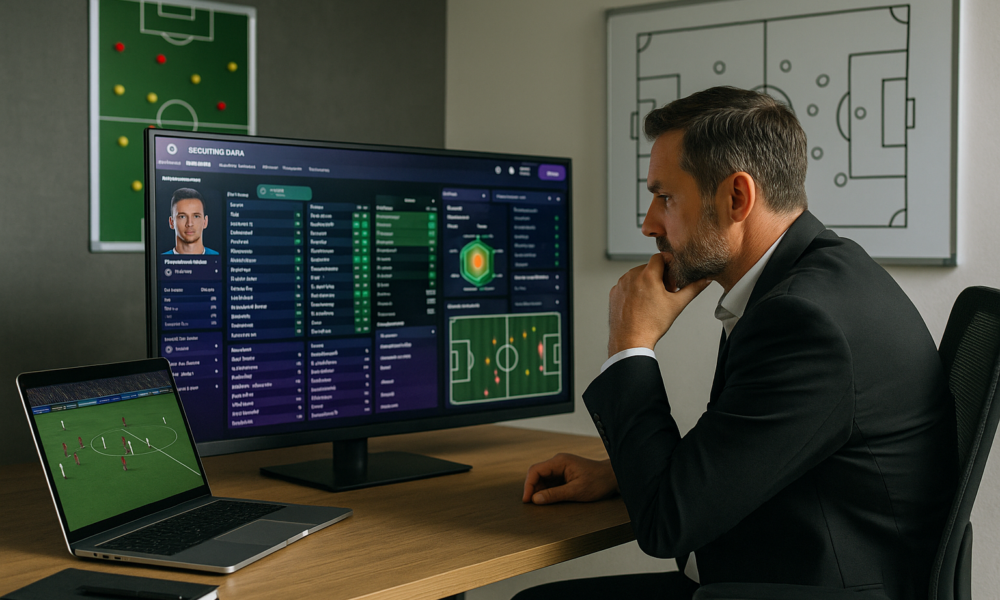
Football isn’t just a contest of grit and flair anymore. Now, every pass, sprint, and substitution is being dissected by an army of data analysts.
Numbers are replacing gut instinct as clubs chase any edge they can find—from tactical tweaks and injury prevention to scouting hidden gems across the globe.

This article digs into how football’s shift toward analytics is changing more than just the action on the pitch. We’ll look at how data-driven thinking is reshaping coaching, player development, fan engagement, and even the business side of the world’s favorite sport.
Stake Hunters and the new era of data-driven football
Football’s transformation isn’t happening behind closed doors—it’s reaching fans in real time, thanks to a new breed of platforms that put data front and center.
Stake Hunters stands out for giving everyone—from die-hard supporters to casual followers—access to analytics that were once reserved for club insiders and professional scouts.
Instead of relying on gut feeling or rumors, fans now tap into a stream of predictions, detailed match breakdowns, and statistical models to inform everything from pre-match debates to live bets.
What impressed me most when I tested Stake Hunters was how the community aspect encourages fans to learn from each other’s analysis. Insights aren’t just numbers on a screen—they’re debated, challenged, and refined by thousands of users.
This shift is changing how people interact with football. More fans use analytics tools during games or when discussing transfers. It’s not about replacing passion with spreadsheets—it’s about blending intuition with hard evidence.
If you enjoy challenging the status quo or want your opinions backed by something stronger than wishful thinking, platforms like Stake Hunters make analytics easy—and even fun—to use in your football experience.
From gut instinct to algorithms: how data is shaping strategy
Football used to be dominated by legendary managers who trusted their instincts and experience.
Now, the game is just as much about probability models as personal hunches.
Clubs at every level are turning to advanced analytics for insights on tactics, player selection, and even substitutions.
This shift isn’t about replacing football’s soul with spreadsheets—it’s about giving coaches the best possible information so their decisions have the highest chance of success.
The difference between a winning strategy and a missed opportunity can come down to how well a team reads the numbers behind the action.
Tactical innovation: the numbers behind the tactics
Today’s managers have access to tactical data that would’ve been science fiction a decade ago.
Instead of relying only on what they see in training or during matches, coaches now pore over video breakdowns, pressing maps, and pass networks generated from thousands of data points each game.
This lets them spot subtle weaknesses in opponents and fine-tune formations for specific matchups.
A 2024 analysis reports that over 75 percent of Premier League clubs—including Manchester City and Arsenal—now employ multi-analyst data teams whose tactical insights have led to major changes on the pitch. Budgets for analytics staff are climbing fast as clubs scramble for any edge they can get (Analytics in Premier League Tactics).
What impresses me most is how seamlessly these insights feed into match preparation. It’s not uncommon now for players to receive custom video packs based on live data feeds, making sure every minute detail is covered before kickoff.
Real-time decision making: data on the sidelines
The days when halftime was a manager’s only chance to tweak tactics are long gone.
With wearable tech tracking players’ every move and AI-powered dashboards crunching live numbers, coaches can make adjustments on the fly—sometimes within seconds of an event unfolding on the pitch.
The introduction of connected ball technology takes this even further. In 2024, reviews show that balls now provide real-time positional and contact data straight to tablets in dugouts. Coaches instantly know if defensive lines are holding or if strikers are losing their edge (Connected Ball Technology).
I’ve seen managers use these insights to swap out fatigued players before injury risks spike or change formation mid-match when analytics suggest an opponent is gaining ground. It adds a new layer of chess-like precision that keeps everyone guessing—and rewards those who trust both their eyes and their algorithms.
Scouting, recruitment, and player development in the age of big data
Football scouting has shifted dramatically from relying on gut feelings to using powerful analytics for every key decision.
Clubs now track thousands of youth players worldwide, measuring performance down to sprints, passes, and recovery times.
Instead of just the eye test, algorithms crunch match data and off-field stats to flag hidden gems and rising stars.
This analytical approach also shapes player development—coaches monitor progress with live dashboards and tweak training based on hard numbers.
The result is a smarter recruitment process that rewards both talent and data-backed potential, making the path from academy hopeful to first-team regular more scientific than ever before.
AI and the future of scouting
The sheer volume of football talent out there makes traditional scouting feel like searching for a needle in a haystack. That’s where artificial intelligence steps in.
Today’s AI models analyze everything from match stats to social signals, building comprehensive profiles on players across leagues and countries. They spot patterns invisible to even veteran scouts—predicting which teenager in Norway or winger in Brazil could become tomorrow’s superstar.
What really stands out is how these systems help minimize bias. Instead of relying on reputation or highlight reels, federations and clubs can base decisions on objective measures. AI Scouting at Euro 2024 shows how federations used advanced models to identify emerging talent and craft balanced squads. This isn’t science fiction; it’s how top teams are assembling their rosters right now.
Personalized training and injury prevention
No club wants their best player sidelined by injury or burnout—especially when so much is at stake. That’s why teams are using wearables and detailed session data to fine-tune every workout plan.
This isn’t just about running more laps. Data points from GPS vests, heart-rate monitors, and even sleep trackers feed into AI systems that watch for early warning signs. If a defender is showing signs of fatigue or a striker’s workload spikes unexpectedly, coaches get real-time alerts.
A Wearable Injury Forecasting Study from 2024 proved this approach works: clubs combining wearable tech with AI can forecast injury risk based on daily training loads. That means tailored sessions for each player—not just keeping them fit but helping them reach new levels season after season.
The fan experience: how data is changing the way we watch football
Football isn’t just for purists or old-school diehards anymore. Data is making the game more interactive, personal, and downright addictive for fans everywhere.
Whether you’re tuning in from your couch or tracking scores on the go, analytics now play a starring role in how supporters experience each match. Real-time stats, live heatmaps, and predictive models give fans a deeper layer of understanding that was unthinkable even five years ago.
Platforms built around analytics have transformed watching football into an ongoing conversation—one where every supporter can feel like an insider. For many, this added context has turned casual viewership into a richer, more immersive obsession.
Second-screen stats and interactive viewing
Sitting through 90 minutes isn’t what it used to be. Broadcasters and streaming services now serve up real-time stats alongside the action—possession percentages, xG models, pressing heatmaps—turning every match into an interactive classroom.
Fans can pull up shot charts on their phones or track player runs in live dashboards. This isn’t just background noise—it changes the whole dynamic of matchday. Suddenly, you’re not arguing with your mates about who dominated midfield; you’re pointing to data that backs you up.
I’ve noticed how quickly even casual viewers pick up tactical terms when they see them explained visually during matches. It’s closing the gap between pros and supporters in ways I never expected growing up watching Serie A on grainy TV in Milan.
Fantasy football and data-driven engagement
If you want proof that numbers get fans hooked, look no further than fantasy leagues and prediction games. Modern fantasy platforms thrive on advanced analytics—player projections update instantly based on live data, while AI models flag hidden gems before your rivals spot them.
This new approach keeps everyone engaged all season long—not just hardcore stat heads. Even new players find themselves learning football strategy as they tinker with lineups or debate transfer moves backed by underlying metrics.
Fantasy Football Innovation 2024 notes that platforms now use AI-driven rankings and real-time match insights to boost fan involvement. The result? Deeper knowledge for players and a stronger sense of connection to teams—even if you’re following from thousands of kilometers away.
What data’s rise means for the future of football
Football has always been about heart, skill, and a little bit of luck. Now, numbers matter just as much as flair on the pitch.
We’re seeing data reshape everything from how clubs scout young talent to the way fans experience a Saturday match. Strategy, recruitment, and even injury prevention have all become smarter because of analytics.
The edge will go to teams that combine old-school passion with a sharp eye for what the numbers are really saying. In this new era, winning isn’t just about who wants it more—it’s about who understands the game on every level.