Features
Bayern Munich Leadership and Luis Díaz Update
Latest insights on Bayern Munich’s leadership, pursuit of Luis Díaz, and Rafinha’s retirement. A look at the club’s future direction and strategy.

Crisis or Comeback? Bayern Munich Faces a Defining Summer
As the dust settles over Munich, the picture of Bayern future is becoming more layered than ever before. Herbert Hainer has officially confirmed his intention to run for re-election as club president, signaling stability in a time when much of the club’s identity is under review. The move might seem predictable, even procedural, but in the current climate it speaks volumes. Bayern isn’t just playing football. It’s playing for cultural continuity, for structural control.
In the world of strategy, small signals often carry large consequences. Whether you’re betting on managerial moves or reading the undercurrents of a changing team, it’s clear Bayern is entering a transition phase not unlike the calculated risk-taking atmosphere of BC Game Deutschland, where structure is constantly challenged by chance.
Internal Silence, External Ambitions
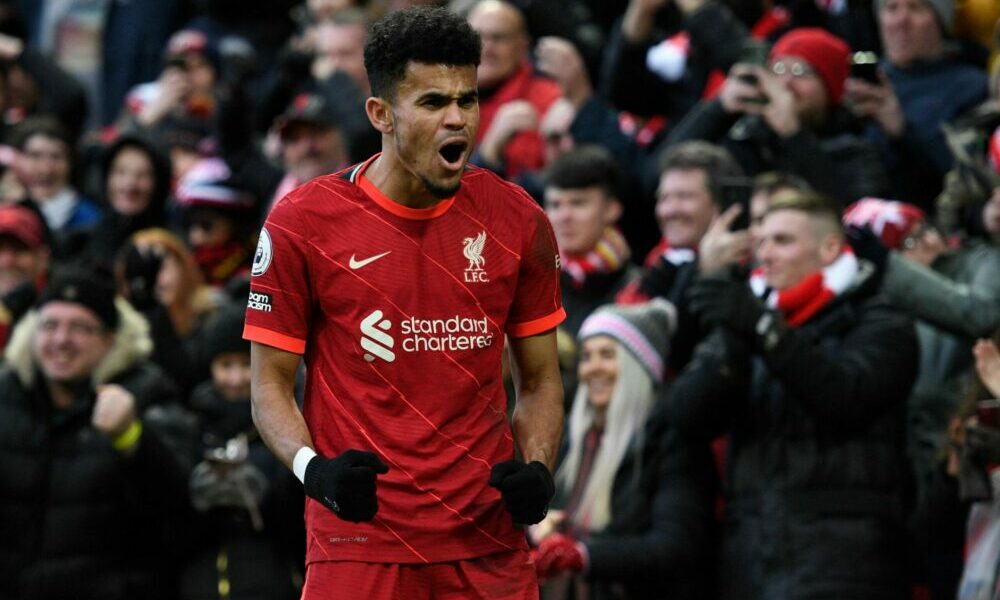
As Hainer prepares for continuity in office, the club’s transfer ambitions tell a different story. Bayern has reportedly launched a bid of €70 million plus bonuses for Liverpool winger Luis Díaz, a move far more aggressive than in previous windows. There’s a noticeable shift: Bayern is no longer content to shop conservatively. They want global relevance. They want versatility and firepower. And perhaps, above all, they want to prove they can still dictate terms in a football economy increasingly driven by Premier League giants and state-owned titans.
It’s a delicate balance between heritage and hunger, legacy and leverage. Much like the rhythm of the Cash Maker game, the right moment must be seized with both intuition and calculation. Bayern’s transfer approach reflects this kind of recalibrated timing – bold, high-reward moves that signal a club no longer relying solely on its past.
A Farewell to Rafinha, A Symbol of the Old Guard
This redefinition isn’t just happening at the top or in the market, it’s echoed by those leaving the scene. Former Bayern right-back Rafinha, a symbol of reliability in the golden 2010s, officially announced his retirement. His exit from the footballing world marks more than a personal milestone; it underlines a generational shift. Rafinha was not the flashiest player, but he was emblematic of the values that once made Bayern an unstoppable force: discipline, work ethic, quiet excellence.
And in this turning point, a broader question emerges, what remains of that ethos? Is the Bayern of tomorrow still anchored in that blueprint, or is it chasing something altogether different? As with long-term strategies in crypto sports betting, Bayern management now faces the test of whether change is adaptation or abandonment.
Bayern Munich: Then & Now
This transitional period for Bayern is not just about players and presidents, it’s a philosophical turning point. The club finds itself at a unique junction, navigating between tradition and necessary disruption. With changes echoing from the boardroom to the bench, the identity of Bayern is no longer fixed, it is being reshaped in real time.
To understand this shift, one must compare what Bayern stood for in the past and how it’s redefining itself today:
- Then: Reliance on seasoned veterans
Now: Investments in explosive, tactically flexible players - Then: Conservative transfer strategies
Now: Bold market moves like a €70M approach for Luis Díaz - Then: Domination within Bundesliga borders
Now: Competing for global attention against Premier League giants - Then: Leadership evolution through legacy
Now: Strategic continuity with an eye toward a future-driven overhaul
Conclusion: Between Reinvention and Reflection
Bayern Munich stands on the threshold of its next era. It is not a crisis, but it is a reckoning. With Hainer seeking re-election, Rafinha bowing out, and Díaz possibly arriving, the narrative is one of layering the new over the old. Bayern challenge is not just to compete, it’s to remain Bayern in the process.
In a world increasingly ruled by fast money, faster cycles, and relentless branding, staying true to one’s identity might be the boldest move of all. What comes next – as with all things in strategy and sport – depends not on noise, but on execution.


Other News