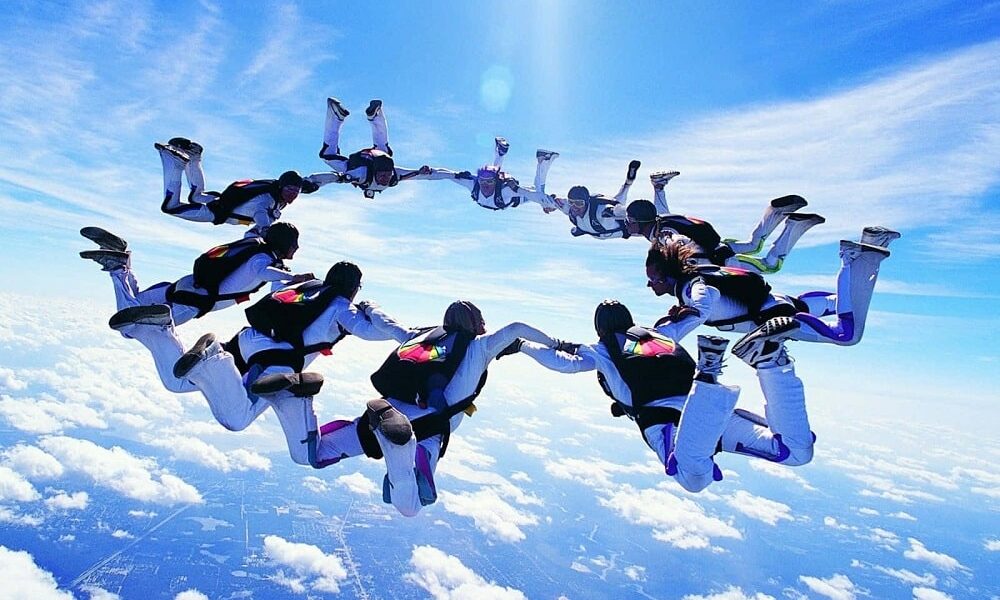
So, you’re thinking about jumping out of a plane? Whether it’s been on your bucket list for years or a sudden craving for adrenaline, skydiving is one of the most exhilarating experiences you can have. But before you take that leap, there’s a lot to know—especially if you’re a first-timer. From how much it costs to what actually happens in the air, this guide breaks it all down for you.
Let’s fly right in!

What Is Skydiving, Really?
Skydiving is exactly what it sounds like—jumping out of an airplane from thousands of feet in the air, then free-falling before deploying a parachute and gliding safely to the ground. Most first-time skydivers go tandem, which means you’re strapped to a professional who handles all the technical stuff, like pulling the chute and guiding the landing.
You get the thrill. They do the work. Win-win.
How Much Does Skydiving Cost?
Prices vary depending on location, altitude, and the dropzone’s reputation, but here’s a ballpark idea:
| Type of Jump | Average Cost (USD) |
| Tandem Jump (standard) | $200–$300 |
| Tandem Jump (with video) | $300–$400 |
| AFF (Accelerated Freefall) | $1,500+ for course |
Some places offer discounts for weekday jumps or groups, so if you’re going with friends, ask for a deal!
Is Skydiving Safe?
Here’s the good news: modern skydiving is much safer than it used to be. According to the U.S. Parachute Association, the rate of fatal accidents is approximately 0.39 per 100,000 jumps. For tandem jumps, the numbers are even better.
Of course, there are risks—you’re jumping out of a plane, after all—but trained instructors, strict equipment checks, and backup parachutes make tandem skydiving a relatively safe adventure.
What to Expect Before, During, and After the Jump
Before the Jump
- Training: You’ll get a short (30–60 minutes) safety briefing and overview of body position during freefall and landing.
- Gear Up: You’ll be fitted with a harness and jumpsuit. If you go tandem, your instructor handles all the technical gear.
- Nerves: Totally normal. Butterflies? Yep. Cold feet? Maybe. But it’s all part of the experience.
The Flight Up
The plane ride to altitude (usually 10,000–14,000 feet) takes about 15–20 minutes. This is when excitement builds and reality kicks in.
The Jump
- Freefall: Lasts 30–60 seconds. You’re falling at ~120 mph, but it feels more like floating than falling.
- Parachute Deploys: Around 5,000 feet. Suddenly, everything gets quiet, and you’ll gently glide down for 5–7 minutes.
- Landing: Usually soft, like sliding onto grass or landing on your bum if needed. Your instructor guides it all.
After the Jump
Expect a huge adrenaline rush, lots of smiles, high-fives, and probably a few minutes of “Did that really just happen?!”
What Should You Wear?
Think comfort and function. Here’s your go-to outfit checklist:
- Athletic clothes (no bulky items)
- Sneakers or lace-up shoes
- Layers (depending on weather—it’s colder at altitude)
Avoid jewelry, scarves, or anything that could fly off
Tips for First-Time Skydivers
- Eat Light: Don’t go on an empty stomach, but avoid greasy or heavy food.
- Stay Hydrated: Water > energy drinks.
- Arrive Early: Give yourself plenty of time for paperwork, training, and getting into the right mindset.
- Trust Your Instructor: They’ve done this hundreds (often thousands) of times.
- Get the Video: You’ll want to relive it—and show your friends.
Is There an Age or Weight Limit?
Yep—there are some basic requirements:
- Age: You must be at least 18 years old (no exceptions, even with parental consent).
- Weight: Most places cap the weight limit at 230–250 lbs for tandem jumps, depending on body shape and harness fit. Some charge extra over 200 lbs.
Always check with your chosen dropzone ahead of time.
Can I Skydive if I’m Afraid of Heights?
Believe it or not—yes!
Many people who are afraid of heights report that skydiving isn’t as terrifying as, say, standing on a ladder or rooftop. Why? Because when you’re that high up, there’s no real sense of depth. It feels surreal, more like floating than falling.
FAQs About Skydiving
Q: How long does the whole skydiving experience take?
A: Plan for 2–4 hours total. That includes paperwork, training, gearing up, the flight, the jump, and the afterglow.
Q: Can I bring a GoPro?
A: First-timers usually can’t wear a personal camera for safety reasons. Your instructor or dropzone photographer can film everything for you.
Q: What happens if the parachute doesn’t open?
A: Every skydiving rig includes a reserve chute and an automatic activation device (AAD) that deploys it if needed. The odds of both chutes failing are astronomically low.
Q: Do I need insurance?
A: Most dropzones have liability waivers. Some offer additional insurance, but it’s optional. Check with your health insurance provider for peace of mind.
Q: What if the weather is bad?
A: Skydiving is highly weather-dependent. If it’s too windy, rainy, or cloudy, your jump will likely be postponed or rescheduled.
See you in the sky.