Features
Which Nations Have Lost The Most Talented Players
We explore which countries have “lost” the most talented footballers to more powerful football nations and delve into the reasons behind these decisions.

In the world of international football, national pride and identity are deeply intertwined with the players who represent each country on the global stage. Yet, beneath the passion and patriotism lies a complex web of choices, opportunities, and eligibility rules that often see some nations missing out on their most talented players. Many gifted footballers, eligible to represent smaller or less prominent countries through heritage or birthplace, instead opt to play for larger, more established footballing nations.
This phenomenon isn’t just a footnote in football history; it has shaped the fortunes of entire national teams. Countries like the Republic of Ireland, various African nations, and Caribbean states have seen some of their brightest talents choose other flags, often drawn by better infrastructure, greater exposure, or personal connections to their upbringing in bigger football nations.

In this blog, BoyleSports – home of online blackjack – explore which countries have “lost” the most talented footballers to more powerful football nations and delve into the reasons behind these decisions. From the Republic of Ireland’s talent drain to African stars choosing European giants, understanding these shifts offers a unique perspective on global football dynamics, identity, and the ever-evolving landscape of the beautiful game.
Republic of Ireland
The Republic of Ireland has long been one of football’s most passionate nations, yet in recent years, it has faced a significant talent drain that has impacted its international prospects. Two of the most notable players linked to Ireland who chose to represent England instead are Declan Rice and Jack Grealish.
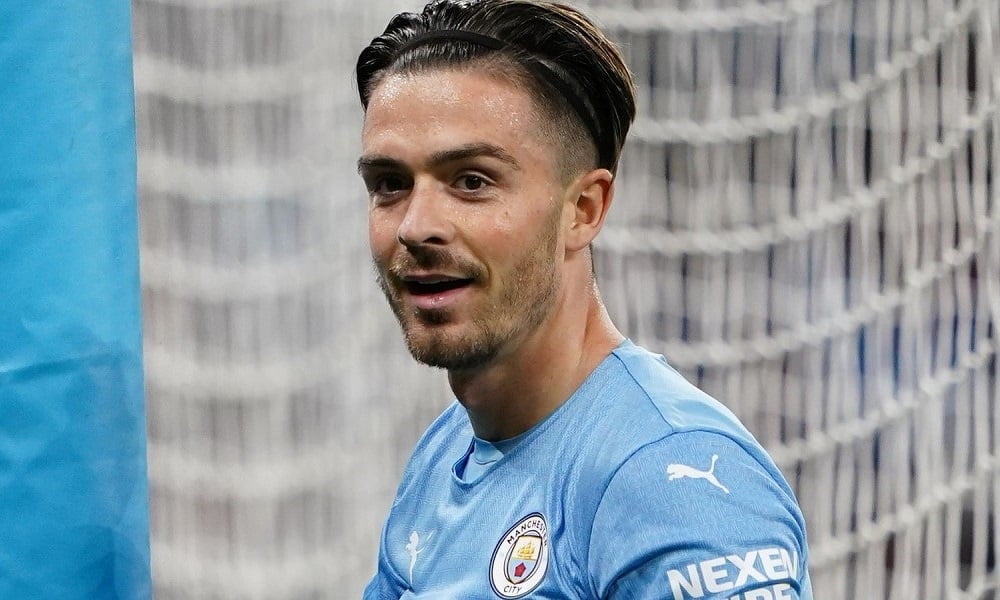
Jack Grealish, eligible for Ireland through his family roots, initially represented Ireland at youth levels before switching allegiance to England. His decision proved hugely impactful. Grealish played a crucial role in England’s run to the Euro 2020 final and was instrumental in Manchester City’s historic treble-winning season in 2023, securing the Premier League, FA Cup, and Champions League titles.
Similarly, Declan Rice’s journey mirrors this pattern. Rice represented Ireland in three senior friendlies but then switched to England, where he quickly became an indispensable midfielder. An ever-present figure in England’s squad, Rice has helped guide the team to two European Championship finals (2020 and 2024), cementing his reputation as one of the best defensive midfielders in the world.
These choices highlight the challenge for the Republic of Ireland in retaining top talent, players with the potential to elevate the national team, but drawn by the broader stage and opportunities that England offers. Their absence leaves Irish fans wondering what might have been.
African Nations
African football has produced some of the world’s most electrifying talents, yet many of its brightest stars have chosen to represent European nations instead of their ancestral homelands. One notable example is Michy Batshuayi, born in Belgium to Congolese parents, who opted to play for Belgium rather than the Democratic Republic of Congo. His decision reflects a broader pattern where European-born players with African heritage pick their birth countries over their ancestral nations.
Kylian Mbappé, born in Paris to a Cameroonian father and Algerian mother, epitomises this dilemma. While Mbappé represents France, a global football powerhouse, his Cameroonian roots suggest that, in another world, Cameroon could have boasted one of the best players on the planet. Mbappé’s skill and influence have helped France to World Cup glory, leading many fans to wonder if he had chosen Cameroon, whether or not he could have led this side to Africa’s first World Cup victory.
Other high-profile players of African descent, such as Jérôme Boateng (Germany, with Ghanaian heritage), have chosen larger European nations, with these choices often coming down to better infrastructure, exposure, and career prospects, leaving many African countries longing for a footballing renaissance fueled by a drained talent pool.
Caribbean Nations
The Caribbean has a rich footballing heritage, but like many smaller football nations, it has faced challenges in retaining some of its most talented players. A prime example is Raheem Sterling, born in Jamaica but raised in England, who chose to represent the English national team. Sterling’s speed, creativity, and goal-scoring prowess have made him a key figure for England, contributing to their recent successes, including reaching the Euro 2020 final. His decision highlights the difficult choices faced by many Caribbean-born or heritage players.
Other notable players of Caribbean descent who chose bigger football nations include Reece James from Grenada and Dominica, who represents England at the senior level. The loss of such talents means Caribbean national teams often struggle to compete at the highest levels despite having a large talent pool. While infrastructure and competitive opportunities play a role, the cultural and personal ties many players feel toward England and other major footballing nations heavily influence their decisions.
Conclusion
Ultimately, the debate around players lost by smaller nations is as much about “what if” as it is about reality. Many of the stars eligible for countries like the Republic of Ireland, DR Congo, Jamaica, or Cameroon were born in major footballing nations such as England, France, or Belgium. They came through elite academies, developed in world-class systems, and were surrounded by the infrastructure that shaped them into top-level professionals. And as a result, many of these players’ identities and careers are deeply rooted in the countries they ultimately represent.
Yet imagining what could be is part of the fascination. What if Ireland had Jack Grealish and Declan Rice in midfield? What if Cameroon had Kylian Mbappé leading the line? What if Jamaica had Raheem Sterling in attack? These scenarios offer a glimpse into an alternate footballing universe, one where global talent isn’t concentrated in the traditional powerhouses. And while those dreams may never come true, they highlight just how much untapped potential exists in the footballing heritage of these so-called “smaller” nations.