Features
How Did Liverpool End Up Spending Millions this Summer?
Liverpool fans are wondering how the club can afford to spend hundreds of millions on new signings this summer. Find out here.

A club that has spent seasons with limited spending and tactful signings, Liverpool is opening its wallet to afford all of the big names ahead of the 2025/26 season.
Fans with Liverpool tickets are enjoying this passage from the newly crowned Premier League champions, who are not hesitant in going after the big names.
This is quite different from what happened during the previous times, where Liverpool’s signings were limited to a handful. During Jurgen Klopp’s time in charge as manager, Liverpool was working with fragile budgets to encourage transfers.
However, now fans with Liverpool tickets are wondering how the club can afford such a substantial expenditure.
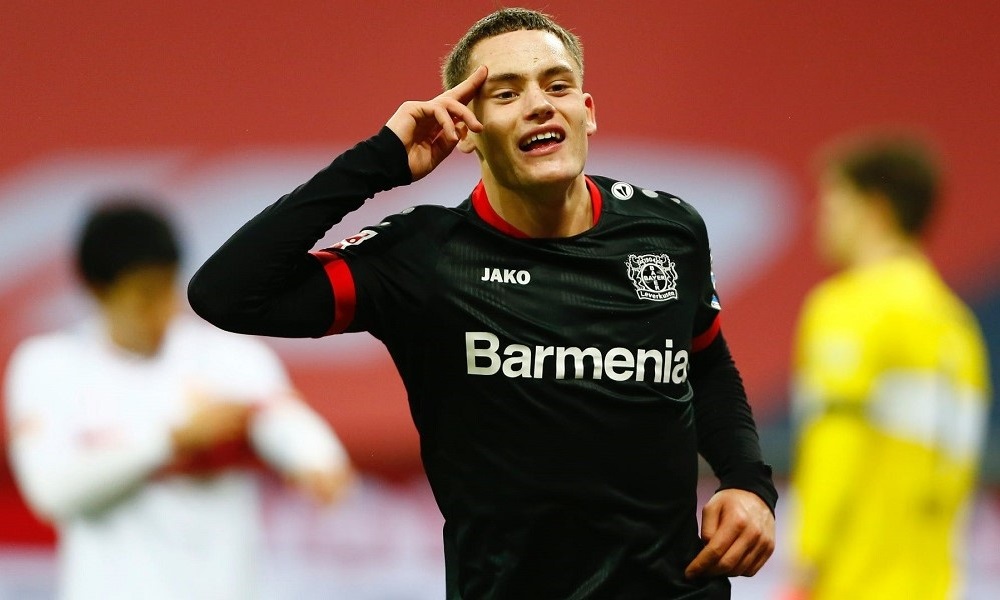
Florian Wirtz’s club-record arrival last month was sandwiched by the signings of Jeremie Frimpong and Milos Kerkez, with the trio costing around £170million in transfer fees alone. The signing of Hugo Ekitike from Eintracht Frankfurt for approximately £ 79 million ($107 million) has pushed that figure even higher.
Include the £25m spent on Giorgi Mamardashvili (a deal agreed last year but one where the goalkeeper only joined from Valencia this summer), and add on estimated agent fees and transfer levies. You are left with a startling figure.
Liverpool has spent around £300m, and there is still over a month of the transfer window to run.
The £100m deal to sign Wirtz and Ekitike’s arrival marks the pair out as Liverpool’s first and fourth most expensive signings, with only Virgil Van Dijk and Darwin Nunez interrupting their new team-mates. Wirtz has signed a five-year deal, while Ekitike has agreed terms at Anfield for the next six seasons, where they will both be paid handsomely.
More Money Than Ever
The arrivals of Wirtz and Ekitike come at a time when Liverpool are enjoying record revenues. They cleared £600m for the first time in 2023-24, a year in which they had to settle for Europa League football and a third-place finish in the Premier League.
A lot of it has to do with the increase in fan following, with Liverpool tickets now becoming the most sought-after. According to Seatsnet.com, the demand for Liverpool tickets increased significantly last season, in contrast to earlier seasons.
Earlier, when Liverpool did win the league, things were different. It was still post-pandemic, and no fans were allowed. There was no hype around fans getting to the ground in the following season.
But the new season will be different. Seatsnet.com predicts that a majority of the ticket sales they anticipate will likely come from fans seeking Liverpool tickets for Anfield.
Last season, with a return to the Champions League and a 20th domestic title secured, alongside a full season of the extended Anfield Road End being open and continued commercial growth, Liverpool is expected to have topped £700m in turnover, a feat previously achieved only by Manchester City in England.
A further record in 2025-26 looks likely.
Reports estimate Liverpool earned £181.5m through winning the Premier League and, even if they don’t retain the title in 2025-26, they will still benefit from an uptick in the league’s overall income. A new TV rights cycle starts this season, with the Premier League expecting to earn £12.25bn over the next three years — a 17 per cent increase on the 2022-25 cycle.
Liverpool’s commercial growth is well-placed to continue. August will see them begin a new kit deal with Adidas. The agreement, while incentive-based, represents a significant potential increase on the club’s already lucrative arrangement with Nike. The latter secured Liverpool a base payment of £30 million per season, but garnered around double that amount.
Booming revenues are all well and good, but of little use if your expenditure is through the roof. Liverpool lost £57.1million pre-tax in 2023-24, the worst financial result in the club’s history, so are their costs swallowing their income whole?
Not really. That big loss a year ago was out of the ordinary for a club that, across Fenway Sports Group (FSG’s) near-15 years at the helm, has broken even.
They have most likely performed better than that and expect Liverpool to return to profitability in 2024-25, with healthy profitability as well.
Even if the wage bill crept up to the £400m mark — not a guarantee by any stretch, but possible once league-winning bonuses were handed out — we project Liverpool could still have booked a £30m profit.
How Expensive is Liverpool Now
One of the reasons the signings of Van Dijk and goalkeeper Alisson are often cited as examples of Liverpool not skimping on fees is that they were outliers; they did spend big on the pair, but their transfer spending has generally trailed that of domestic rivals.
At the end of 2023-24 the cost of assembling Liverpool’s squad, across transfer and agent fees, was £749.4m, the seventh most expensive squad in the world but well behind Chelsea (£1.4bn), Manchester City (£1.1bn), Manchester United (£943.9m) and Arsenal (£882.4m).
Wirtz’s £100m fee, plus assumed agent fees on top of around 10 per cent, alongside a four per cent transfer levy payable to the Premier League by clubs on all new signings, will add £21.4m to Liverpool’s 2025-26 amortisation bill, with a further £22.7m per season following thereafter until 2029-30.
The deal for Ekitike, meanwhile, adds a further £13.4m to 2025-26, £15.7m a season to the end of 2029-30 and around £2.3m into 2030-31 (despite signing a six-year deal, Premier League and UEFA rules mean his fee can only be spread over five years for PSR purposes).
Alongside the recent signings of Frimpong and Kerkez, Liverpool has added around £54m a season to its amortisation costs, or almost half of what its amortisation bill was in 2023-24.
Even so, that would still only push them a smidge ahead of Manchester City’s bill that year, who have spent plenty themselves recently.
Liverpool will have narrowed the gap in amortisation costs compared to the rest of the ‘big six’ and possibly surpassed Spurs.
This summer’s spending on transfers has brought their amortisation expenditure closer to that of their peers at the top, but they will likely still trail four domestic rivals.
Liverpool tickets for the new season are now available on seatsnet.com


Other News