Features
How the Premier League Sets the Standard for Global Football
Why the EPL dominates world football. Finances, competition, global influence — we analyze the success factors of the English league.

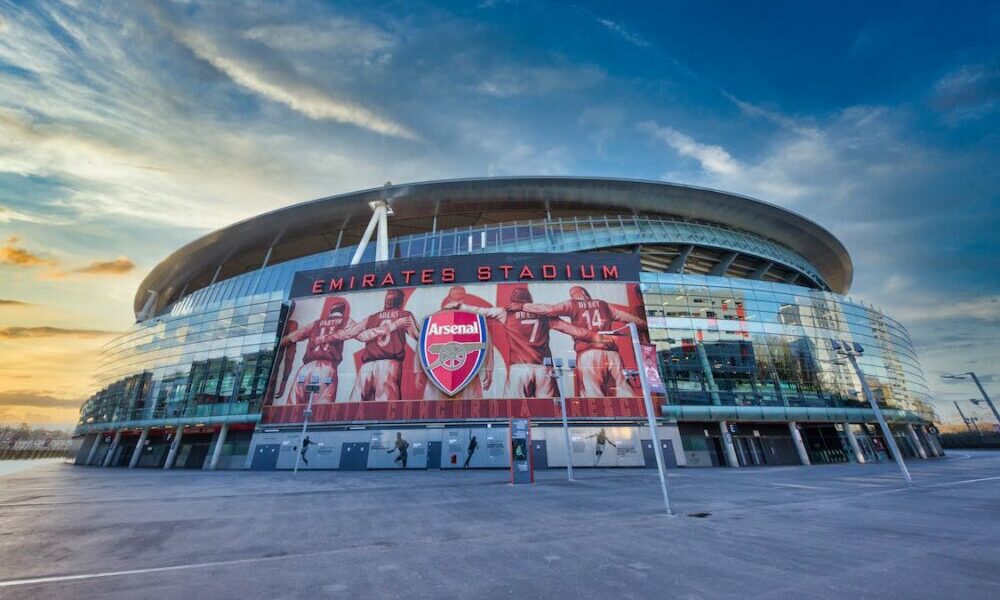
Almost five billion viewers watch the Premier League around the world. Broadcasts go to more than 200 countries simultaneously. Not a single other league has approached such audience coverage numbers. English football has turned into a global product that works around the clock on all continents.
The average EPL club is worth 1.51 billion dollars. For comparison, teams of other top European championships are valued noticeably lower. The combination of money, real competition, and competent marketing has built a machine that stamps out billions in profit every season.
The League Table Tells the Truth
Check out the standings right now in 2025-2026. Arsenal sits on top with 49 points from 21 games. City and Villa? Both stuck on 43, chasing hard. Liverpool grabbed fourth spot with 35 points. Brentford rounds out the top five at 33. The gap between first and fifth? Just 16 points. That’s what actual competition looks like.
Throughout the entire history of the EPL, 7 different clubs have become champions. Ligue 1? There are 18 different winners. Serie A — 16 champions. The numbers seem to say that the English league has less variety. But look at reality — in France, PSG almost unconditionally ruled in recent years, in Germany, Bayern has taken the title almost every time. And in England, several teams can really win every season.
The 2023-2024 season showed that Wolves, Brighton, West Ham, Bournemouth, Crystal Palace, and Aston Villa calmly beat giants from the “big six”. Try to find such unpredictability in the Bundesliga or the French championship. Analysts write that it’s precisely this competition that hooks viewers around the world — the result is unknown until the final whistle.
Wolverhampton is currently last with 7 points after 21 matches. It would seem an outsider. But even they periodically spoil life for the leaders. That’s the whole point of English football — you can’t relax for a second.
How Many Teams Won Top Leagues:
- The Premier League put 7 different clubs on top since kicking off in 1992.
- La Liga technically crowned 9 champions, but Real Madrid and Barcelona grabbed nearly all the trophies over the past 20 years.
- Bundesliga lists 12 winners historically, yet Bayern Munich ran the show non-stop from 2010 onwards.
- Serie A recorded 16 different champions, though Juventus blocked everyone else until their recent collapse.
Statistics deceive. Formally, the French and Italian leagues have more winners from different eras. In fact, the fight for gold there is more boring than in England, where three or four teams can really take the title until the final round.
Finances That Change Everything
The Premier League’s television rights cost more than all other European championships combined. These billions are divided among all 20 league teams. Result? Even Burnley, in 19th place with 13 points, receives tens of millions just for participation. There’s no such financial equality anywhere else.
The transfer market confirms superiority with numbers. English clubs spend the most on buying players, coaches’ salaries, stadium construction, and academy development. Modern infrastructure, top specialists, advanced analytics — they bought everything with this money. Even Wincraft, in its online casino, uses the EPL image, understanding how popular this brand is with the audience.
But money doesn’t decide everything automatically. Porto knocked out Arsenal from the Champions League in 2024, although the budgets of these teams differ by multiples. Passion, correct tactics, and cohesion sometimes beat a fat wallet. Chelsea sits in 8th place with 31 points, having spent hundreds of millions on transfers. And Brentford, with a much smaller budget, is higher.
| Team | Place | Matches | Points | Goal Difference |
| Arsenal | 1 | 21 | 49 | +26 |
| Manchester City | 2 | 21 | 43 | +26 |
| Aston Villa | 3 | 21 | 43 | +9 |
| Liverpool | 4 | 21 | 35 | +4 |
| Brentford | 5 | 21 | 33 | +7 |
| Chelsea | 8 | 21 | 31 | +10 |
| Wolverhampton | 20 | 21 | 7 | -26 |
English Language as the Main Weapon
English is the most widespread second language on the planet. This gives the EPL a colossal advantage over German or Spanish leagues. A fan from Indonesia, Nigeria, or Mexico easily watches a match with English commentary, reads interviews, and understands analysis. The Bundesliga and La Liga lose just because of the language barrier — try to figure out German or Spanish team names and player surnames.
The marketing machine works without failures. Contracts with Nike, Adidas, and Puma for club equipment. Broadcasts on all continents simultaneously. Tens of millions of subscribers on social media for each top club. The league sells itself as the most spectacular show in world football — and buyers believe this message.
A Premier League club shirt has become an element of status. Many people follow English football simply because it’s fashionable and prestigious. You wear a Manchester United or Liverpool uniform — you’re part of a global community. Reputation works for itself.
Footballers from All Over the Planet Play in One League

La Liga sticks mostly with homegrown players. England? They pull talent from everywhere. Dozens of nationalities compete in one league — a proper melting pot of football styles and cultures. Son Heung-min playing at the top level automatically lifted South Korea’s status in world football. Fans across the globe wait for the day someone from their country cracks the EPL lineup. The PLEDIS program (Premier League Equality, Diversity and Inclusion Standard) puts fairness and representation into official policy, not just talk.
Diversity inspires the next generations. A child sees a footballer of his nationality in the top league — he believes he can also reach this level. This is more than inclusion for the sake of a checkmark. This is an investment in the future of all football as a global sport.
Why Fans Love the Premier League:
- The English language removes barriers for billions of people on all continents simultaneously.
- Match results are unpredictable, which keeps interest until the final whistle of each round.
- High tempo and physicality create spectacular clashes every weekend without exception.
- World stars from different continents simultaneously play in one championship.
These elements work only in combination. Remove one component — the formula will fall apart like a house of cards. The Premier League management understands this and invests in all directions in parallel.
What Competitors Offer
The Bundesliga gives cheap tickets, full stadiums, and strong youth teams. But television revenues don’t reach English levels, and Bayern too often takes the title without competition. Serie A is famous for tactical sophistication and brutal defense, but only the financial problems of some clubs slow the league’s development. Ligue 1 grows young players better than everyone else, but global audience reach is strongly limited compared to the EPL.
Each league is strong in its niche. Fans of tactical chess will choose Spain or Italy. Lovers of atmosphere and traditions will go to German stadiums. But when talking about commercial success, world influence, and pure entertainment, the Premier League destroys its competitors.
English football dominates thanks to the combination of economic power, entertainment value, and world-class branding. The league has turned into a cultural phenomenon that dictates trends of modern football. Other championships try to copy the success, but the formula remains unique and unattainable for others so far.


Other News