Features
How Streaming and Social Media Are Reshaping How Premier League Fans Follow Their Clubs
Premier League streaming fans are no longer passive viewers – they’re participants in a nonstop content cycle that runs well beyond the 90 minutes on the pitch.

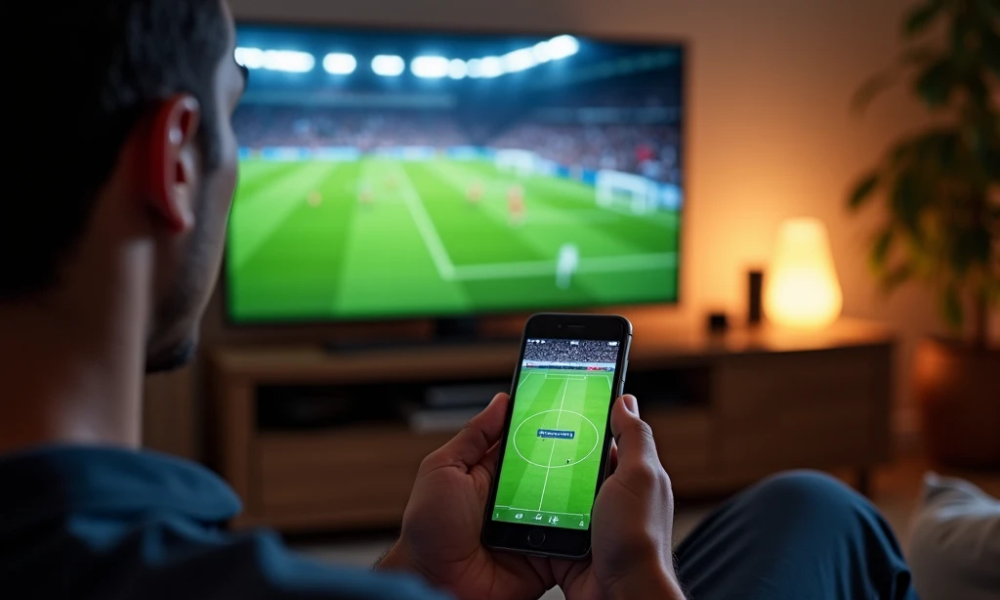
The matchday ritual has changed. A decade ago, most Premier League supporters relied on TV subscriptions, radio commentary, and pub screens to keep up with their teams. Now, a growing share of the global fanbase watches highlights on YouTube within minutes of the final whistle, checks live updates on X (formerly Twitter), and debates tactics in Discord servers. Premier League streaming fans are no longer passive viewers – they’re participants in a nonstop content cycle that runs well beyond the 90 minutes on the pitch.
And the numbers back it up. The Premier League’s combined social media following across major platforms passed 700 million accounts heading into the 2025-26 season. Clubs post more content than ever. Fans consume it faster than ever. So what does that actually look like on the ground?
The Shift From TV Screens to Phone Screens
How Streaming Platforms Carved Out New Audiences
Traditional broadcast deals still bring in the bulk of the Premier League’s revenue – around $6.7 billion for the current domestic cycle. But streaming services have carved out their own territory. Amazon Prime Video has broadcast select matchday packages in the UK since 2019. In the U.S., Peacock and NBC’s streaming setup carry the full schedule.
This fragmentation means fans don’t always watch the same way their parents did. Many younger supporters (especially those in the 18-34 bracket) prefer mobile viewing, shorter clips, and on-demand replays over sitting through a full 90-minute broadcast.
What’s different now? Speed. Goals appear on social feeds within seconds. Full match highlights land on official YouTube channels inside 10 minutes. That changes expectations completely.
Cord-Cutting and the Rise of Multi-Platform Viewing
Cord-cutting isn’t just a U.S. trend anymore. In the UK, pay-TV subscriptions have been slowly declining, even as Premier League viewership stays strong. Fans piece together their coverage – a streaming app here, a free highlights package there. The result is a multi-platform viewing habit that looks nothing like the single-TV-subscription model of the early 2000s.
Clubs have noticed. Many now offer their own streaming services for pre-season friendlies, academy matches, and behind-the-scenes content.
Social Media Football 2026: Where Fans Really Live Now
TikTok, Instagram Reels, and the Clip Culture
If you want to understand social media football 2026, look at where the content lives. TikTok has become a primary discovery platform for younger fans. Clubs and players post short-form content daily – training ground tricks, dressing room celebrations, matchday vlogs. The Premier League’s official TikTok account alone has accumulated billions of views.
Instagram Reels serves a similar function. Clubs use it to push post-match reaction clips, transfer rumor commentary, and behind-the-scenes access. The format rewards quick, punchy content. A 30-second clip of a goalkeeper’s save can generate more engagement than a full post-match interview.
Key platforms shaping Premier League fan engagement digital habits right now:
- TikTok and Instagram Reels – short-form video clips, training content, and matchday reactions that drive the most engagement among fans aged 16-30
- X (formerly Twitter) – real-time commentary, transfer rumor tracking, and direct interaction between fans, journalists, and sometimes players themselves
- YouTube – full match highlights, tactical breakdowns, and long-form documentary content from both clubs and independent creators
- Discord and Reddit – community-driven discussion spaces where fans organize watch parties, debate formations, and share original analysis
Fan-Created Content and the Power of Independent Voices
Fan channels on YouTube now pull audiences that rival some official club accounts. Creators like those behind AFTV (Arsenal) or The United Stand (Manchester United) have built media businesses around match reactions and opinion content. This ecosystem also extends to the betting side of fandom, where supporters often track odds, analyze form, and explore betting options alongside their pre-match preparation. BetFury, for example, integrates sports coverage with real-time data that helps fans stay connected to the action. The overlap between content consumption and match analysis has become a normal part of how people engage with the sport.
Podcasts deserve a mention too. Shows like The Rest Is Football and dozens of club-specific pods fill commutes and gym sessions. The Premier League fan’s media diet is now a mix of professional broadcasting, semi-pro YouTube analysis, and amateur fan takes.
How Clubs Are Adapting Their Digital Strategies
Direct-to-Fan Communication Channels
Clubs have shifted from treating social media as a marketing afterthought to making it a core part of their communication strategy. Most Premier League clubs now employ full-time social media teams. They produce daily content calendars, manage multiple platform accounts, and handle real-time engagement during matches.
What does this look like in practice?
- Pre-match lineups announced on social media before the stadium PA system
- Player Q&A sessions streamed live on Instagram or TikTok
- Transfer announcements built as cinematic mini-films, sometimes racking up millions of views within hours
- WhatsApp broadcast channels used for direct fan updates, with several clubs passing 1 million subscribers on the platform
Data, Personalization, and the Future of Premier League Fan Engagement Digital
The next frontier seems to be personalization. Clubs are experimenting with apps that tailor content feeds based on a fan’s location, language, and viewing history. Manchester City’s app, for instance, delivers localized content for fans in different regions. Tottenham Hotspur has invested in its own in-house media studio that produces content in multiple languages.
Data plays a growing role too. Clubs track which types of content perform best on which platforms and at what times. A tactical breakdown video might do well on YouTube at 7 PM UK time, while a funny training clip performs better on TikTok during lunch hours. Premier League fan engagement digital isn’t just about posting – it’s about timing, format, and platform selection.
The Challenges That Come With All This Access
Piracy, Misinformation, and Content Overload
Not everything about this shift is positive. Piracy remains a serious concern. The Premier League spends millions each year fighting illegal streams, but the cat-and-mouse game continues. During the 2024-25 season, authorities reported blocking thousands of illegal streaming links every matchday.
Misinformation is another problem. Transfer rumor culture has spiraled. A random account on X can post a fabricated claim, and it’ll circulate through fan communities before any journalist verifies it.
Then there’s content fatigue. With so much available, some fans report feeling overwhelmed. Do you really need to watch every training video, every press conference, every pre-match vlog? Probably not. But the fear of missing out keeps people scrolling.
Balancing Global Reach With Local Identity
Here’s an interesting tension. As clubs push for global audiences through social media and streaming, some local fans feel left behind. Ticket prices keep climbing. Kickoff times get shifted to suit overseas broadcast schedules. The atmosphere inside stadiums – the very thing that makes the Premier League appealing on camera – can suffer when local matchgoing culture is deprioritized.
Effects of digital-first fan engagement on the traditional matchday experience:
- Kickoff times adjusted for peak viewing in Asia, Africa, and the Americas, sometimes at the expense of local travel logistics
- Stadium WiFi and phone charging stations becoming standard features to keep connected fans engaged even inside the ground
- Clubs investing more in international fan events and watch parties, while some domestic supporter groups push for greater attention to local community programs
What Comes Next for Premier League Streaming Fans
The direction is clear. More streaming, more social content, more direct-to-fan channels. Apple and Amazon are both reportedly interested in larger Premier League broadcast packages for future cycles. Short-form video will probably keep gaining ground over traditional punditry.
But the fundamentals haven’t changed. People still want to feel connected to their club. They still argue about tactics, celebrate goals, and suffer through bad results together. The tools are different now – a phone instead of a pub TV, a group chat instead of a terrace conversation. The emotion, though? That part stays the same.


Other News