Features
How English stadiums changed from terraces to all seater glass arenas
In the early 1980s, English football grounds were tough concrete bowls. Terraces behind the goals, metal fences around the pitch and narrow turnstiles

In the early 1980s, English football grounds were tough concrete bowls. Terraces behind the goals, metal fences around the pitch and narrow turnstiles framed a matchday that felt intense, noisy and often unsafe. Many stadiums were half century old structures that had grown in pieces, with little interest in comfort or crowd flow beyond basic segregation.
The journey since then looks almost like the difference between an old betting shop and a polished digital platform such as Spinfin casino. The core product is still the same game, but the interface, the safety layer and the way crowds move through the experience have been redesigned from the ground up, literally.

Terraces, pens and fences in the 1980s
In that era, standing terraces dominated. The Kop at Anfield, the Stretford End at Old Trafford and the Holte End at Villa Park were steep banks where supporters stood shoulder to shoulder. Capacity numbers were optimistic, facilities minimal and sightlines variable. Clubs dealt with disorder by putting up more barriers, not by rethinking how space worked.
Perimeter fences and penned standing areas became common responses to hooliganism. Turnstiles led straight into crowded pens, often with poor signage and almost no escape routes. The tragedies of Heysel and especially Hillsborough exposed how fragile this system was. The problem was not only crowd behaviour but a design that treated people as a mass to be contained.
What defined the old stadium experience
- exposed concrete terraces with little shelter from rain or wind
- steel fences that separated pitch and stands, and sometimes divided supporters into pens
- narrow concourses, basic toilets and minimal catering options
- poor sound systems, limited information and almost no accessibility planning
- a feeling of raw atmosphere mixed with constant low level risk
For many, those days carry strong nostalgia, yet the architecture often amplified danger. The stage was perfect for noise and intimidation, but woefully unprepared for emergencies.
Taylor Report and the all seater revolution
The Hillsborough disaster in 1989 forced a complete rethink. The Taylor Report recommended all seater stadiums in the top divisions and emphasised safety, clear sightlines and better crowd management. Over the 1990s, grounds either rebuilt stands or moved entirely. Old Trafford expanded with new all seater tiers, Highbury shrank and later gave way to the Emirates, while clubs like Sunderland and Middlesbrough moved into new purpose built arenas.
Seats changed behaviour. Capacity dropped in many places, ticket prices rose and the composition of the crowd shifted. Families and corporate guests found the new environment more comfortable, while some long term matchgoers felt priced out or separated from the intense standing culture that had defined previous decades. The matchday sound changed too, more focused in specific sections rather than a continuous rolling roar.
Glass, corporate boxes and bowl designs
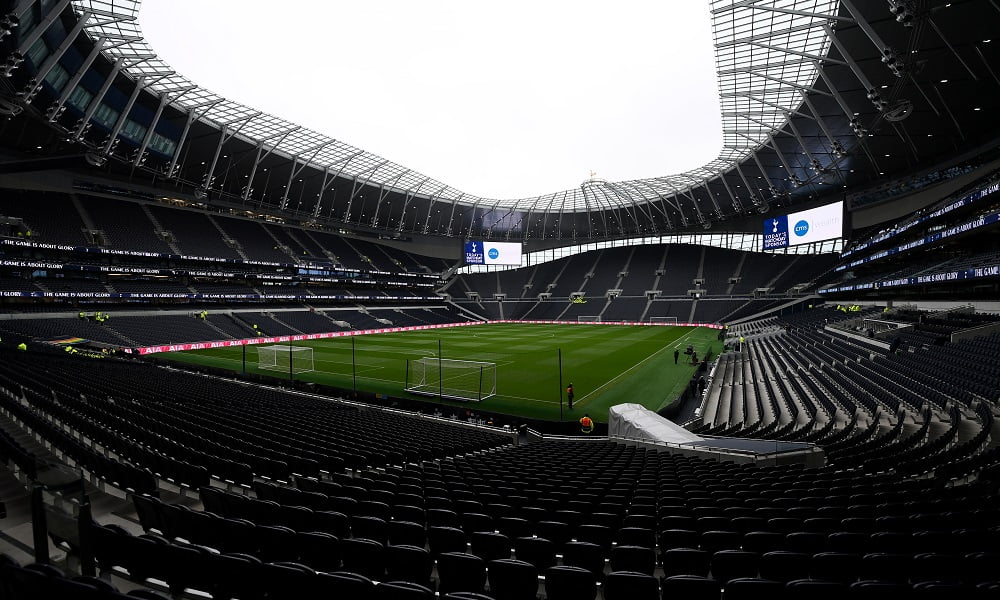
From the late 1990s onwards, English clubs entered a phase of modernisation that aligned stadiums with entertainment complexes. The Emirates Stadium, the Etihad, the new Wembley and later Tottenham Hotspur Stadium share a language of sweeping bowl designs, glass façades and wide concourses. The stadium no longer functions only as a place to watch ninety minutes, but as a full day venue with restaurants, museums and megastores.
Externally, glass and steel replaced crumbling brick. Internally, hospitality boxes, padded seats and premium lounges became central revenue streams. The pitch remains sacred, yet around it the experience often resembles an airport terminal or shopping centre, with controlled flows, branded zones and digital screens guiding movement. Safety planning is baked into the architecture, from wider staircases to carefully placed exits and advanced CCTV systems.
Safe standing, rail seats and partial returns to the past
In recent years, a new phase has started. After decades in which standing was almost taboo in top flight grounds, safe standing areas with rail seats began to appear at clubs like Wolverhampton Wanderers, Tottenham Hotspur and Manchester United. The logic is simple. An all seater design can still accommodate designated standing sections with secure barriers and numbered spaces, combining old atmosphere with modern safety standards.
At the same time, clubs experiment with improved acoustics, more inclusive facilities and better integration with public transport. Environmental concerns push for energy efficient lighting, rainwater collection and more sustainable materials. Digital ticketing and crowd analytics add another layer, helping organisers understand where bottlenecks form and how supporters actually use concourses and services.
Trends shaping the next generation of English stadiums
- wider use of safe standing and rail seating to recover noise without sacrificing control
- multi purpose design, with concerts, conferences and non football events built into the business model
- sustainability features, from solar panels to lower impact construction methods
- improved accessibility, sensory rooms and inclusive facilities for different types of supporters
- richer digital layers, including augmented information, cashless systems and smarter crowd management
Across four decades, English grounds have moved from rough terraces and steel cages to glass fronted arenas that try to balance safety, comfort and atmosphere. The core tension remains the same. Architecture must protect and organise large crowds, yet still leave space for spontaneous emotion. The journey from concrete pens to all seater bowls and safe standing rails shows how deeply stadium design shapes the way football is experienced, remembered and passed on to the next generation.