Features
Digital habits of football fans using betting platforms
How football fans use betting platforms alongside live matches, relying on mobile access, second screens and fast interactions shaped by everyday digital habits

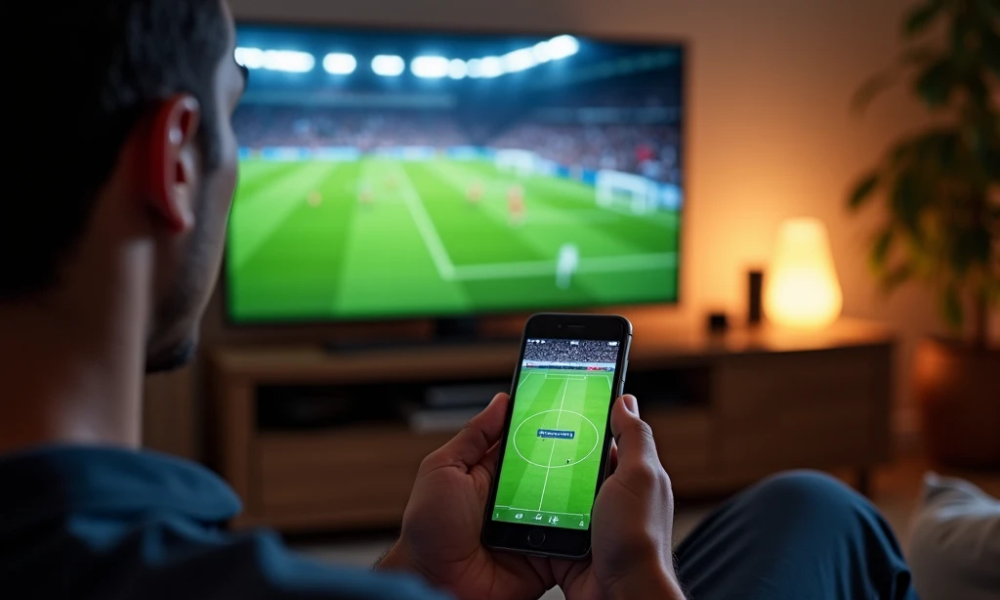
Digital habits of football fans using betting platforms have changed noticeably over the past few years. Watching football is no longer a single-screen activity, and interaction with digital services happens alongside the match itself. Fans follow live commentary, check statistics, and react to events in real time. In this environment, betting platforms are accessed as part of the match-day routine rather than as a separate destination. A typical situation involves a fan watching a live game at home or in a public place and quickly checking odds on a smartphone, which is why platforms like 1xbet become integrated into everyday digital behavior.
Everyday online behavior shaping football-related platform use
Football fans approach betting platforms in the same way they approach other digital services. Short attention spans, frequent switching between apps, and the need for instant responses define modern online behavior. Fans rarely dedicate long sessions to a single platform. Instead, they enter briefly, perform a specific action, and leave. This pattern is shaped by how people use the internet throughout the day, often in short bursts during breaks, while commuting, or alongside entertainment. Betting platforms that adapt to these habits feel natural to use, while those that demand time or focus quickly lose relevance.

Second-screen habits during football matches
Second-screen usage has become standard during football matches. While the main broadcast runs on television or a streaming platform, fans use their phones or tablets to interact digitally. This second screen is where betting platforms are accessed most often. Interaction is fast and frequent, but rarely prolonged. Fans expect updates to load instantly and navigation to be obvious without explanation. Because attention is split, even minor delays or confusing layouts disrupt the experience. Platforms that support smooth second-screen use align better with how fans actually watch football today.
From passive viewing to active digital interaction
Football viewing has shifted from passive observation to active participation. Fans react to goals, substitutions, and tactical changes by engaging digitally. This interaction may start before kickoff, intensify during key moments, and fade once the match settles. Betting platforms must support this changing rhythm. Fans do not want to adjust their behavior to the platform. Instead, they expect the platform to respond to the pace of the game. Interaction that feels synchronized with match events strengthens engagement.
What football fans notice first when choosing a betting platform
When football fans choose a betting platform, the decision is usually based on immediate experience rather than long-term comparison. Fans remember how a platform behaved during previous matches. If access was smooth and reliable, the platform remains a preferred option. If problems occurred during important moments, trust declines quickly. These impressions form subconsciously and influence future behavior. Over time, fans gravitate toward platforms that consistently meet expectations under match-day pressure.
Core elements that influence immediate choice
Several elements stand out the moment a fan accesses a platform:
- Ease of access without unnecessary steps
- Fast updates that keep pace with live matches
- Mobile usability suited for quick interactions
- Clear structure focused on match-related actions
Each element contributes to how confident a fan feels during use. Even small obstacles can interrupt interaction during high-attention moments and reduce long-term preference.
Mobile-first behavior as a defining habit
Mobile devices dominate how football fans interact with betting platforms. Matches are watched in many environments, not only at home. Fans check platforms while traveling, meeting friends, or moving between locations. Mobile access allows continuous interaction regardless of place. Because of this, mobile performance sets the standard for overall usability. A platform that works well on mobile naturally becomes part of the fan’s digital routine. Desktop use remains relevant, but mobile behavior defines expectations.
Using platforms across different real-world situations
Football fans interact with platforms in varied real-world situations. This includes standing in public transport, sitting in cafés, or watching matches with friends. In these settings, interaction must be fast and intuitive. Fans have little patience for loading screens or complex menus. Platforms that function reliably across different conditions earn trust. Real-world usability matters more than ideal technical performance.
How repeated match-day use builds long-term preference
Trust in a betting platform develops through repeated match-day experiences. Fans rely on platforms during emotionally charged moments, and reliability during these times leaves a lasting impression. When interaction feels effortless match after match, the platform becomes familiar and dependable. Over time, this familiarity turns into habit. Fans return automatically, not because they consciously compare alternatives, but because the platform has proven itself in real situations.
Conclusion
Digital habits of football fans using betting platforms are shaped by timing, routine, and real-life behavior. Interaction happens alongside football viewing, driven by short sessions and instant reactions. Speed, clarity, and mobile reliability outweigh complex features. Platforms that adapt to how fans actually watch football become part of the match-day experience. In today’s environment, success comes from fitting into existing habits rather than trying to change them.