Features
How Technology Is Transforming the Football Viewing Experience
Football has always been about atmosphere, emotion, and shared moments—but the way fans experience the game has changed dramatically in recent years.

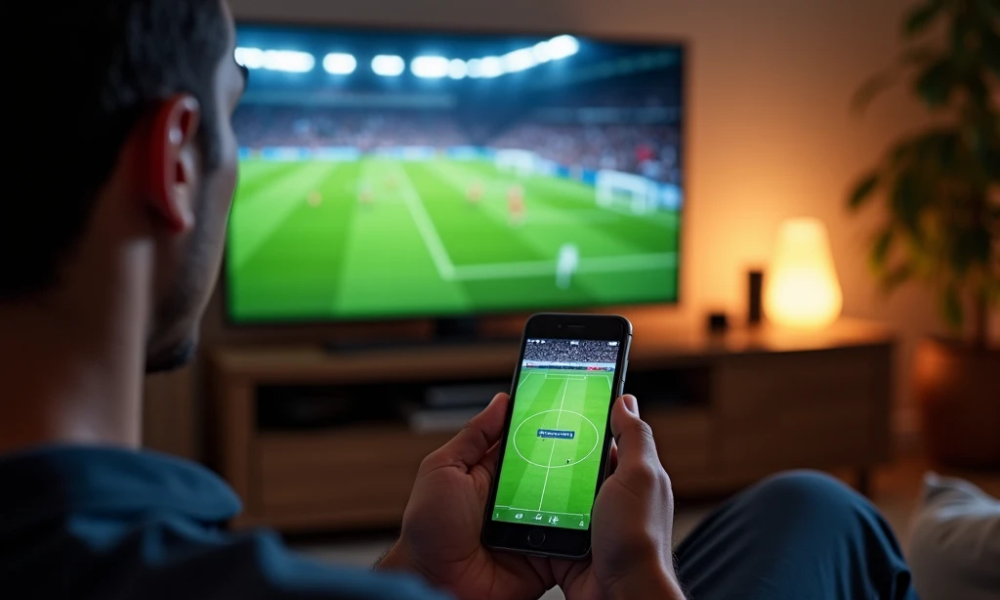
Football has always been about atmosphere, emotion, and shared moments—but the way fans experience the game has changed dramatically in recent years. Advances in technology are reshaping how matches are watched, analyzed, and interacted with, turning passive viewing into something far more immersive. Even adjacent industries, explored in guides like how to start a sportsbook, reflect how digital ecosystems are expanding around football, influencing how fans engage beyond the pitch.
One of the most visible transformations is the shift toward multi-platform viewing. Fans are no longer tied to traditional broadcasts; matches are streamed across mobile devices, smart TVs, and dedicated apps. This flexibility allows supporters to follow games wherever they are, whether commuting, traveling, or multitasking. The rise of streaming platforms has also introduced new features such as pause, replay, and alternative camera angles, giving viewers greater control over how they consume live football.
Real-time data has become another defining element of the modern viewing experience. Statistics that were once limited to post-match analysis are now integrated directly into live broadcasts. Possession percentages, expected goals (xG), player heatmaps, and passing accuracy appear on screen in real time, offering fans deeper insights into the flow of the game. This data-driven layer appeals not only to analysts but also to everyday viewers who want to better understand tactics and performance.
Engagement
Second-screen engagement is also reshaping how football is consumed. Many fans now watch matches while simultaneously interacting on social media or using companion apps. These platforms provide live commentary, fan polls, and instant reactions, creating a sense of community that extends beyond the stadium. The match becomes a shared digital event, where opinions, highlights, and emotions are exchanged in real time.
Augmented and virtual reality are beginning to push this experience even further. While still evolving, these technologies offer the potential to place fans “inside” the game. Virtual stadium tours, immersive replays, and 360-degree viewing options are gradually becoming more accessible. As these tools develop, they are likely to redefine what it means to watch football remotely, bringing the experience closer to being physically present.
Personalization is another area where technology is making a significant impact. Platforms increasingly use data to tailor content to individual users. Fans may receive customized highlights, notifications about their favorite teams, or curated match recommendations. This level of personalization ensures that viewers are not overwhelmed by content but instead receive what is most relevant to their interests.
The integration of interactive elements has also grown. Live polls, prediction games, and in-stream features encourage viewers to participate rather than simply watch. These interactions deepen engagement and make the viewing experience more dynamic. For younger audiences in particular, this interactivity aligns with expectations shaped by gaming and social media.
Audio technology has improved as well, enhancing immersion. Advanced sound design captures crowd noise, player communication, and on-pitch action with greater clarity. Some platforms even allow users to choose different audio feeds, such as commentary-free options or alternative language tracks, further personalizing the experience.
Behind the scenes, artificial intelligence is playing an increasingly important role. AI is used to generate instant highlights, detect key moments, and optimize streaming quality. This ensures that fans receive high-quality content with minimal delays, even during peak demand events such as major tournaments or derby matches.
As football continues to evolve alongside technology, the viewing experience is becoming more interactive, data-rich, and personalized. What was once a straightforward broadcast is now a layered digital experience, shaped by innovation at every level—from how matches are delivered to how fans connect with the game in real time.


Other News