Features
What football managers can learn from high-stakes strategy
If you’re looking to stay ahead of the curve as a leader, there’s a lot to learn from those who thrive where the stakes are highest.

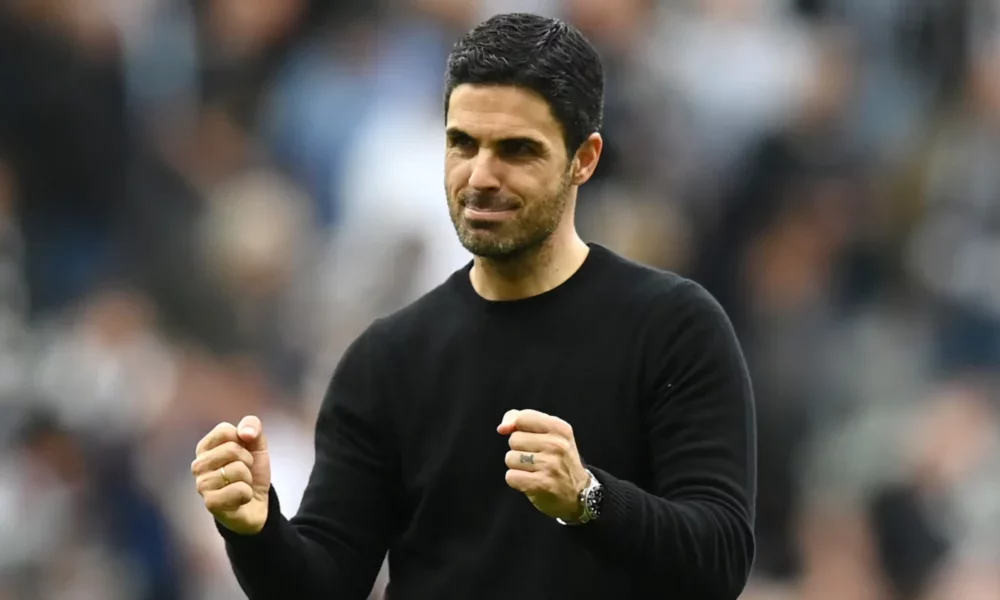
Elite football management is about far more than tactics and training routines. Every match throws up moments when managers must make quick decisions, weigh uncertain risks, and adapt on the fly.
These scenarios aren’t unique to football. High-stakes arenas like poker, chess, and military planning share the same demands: staying calm under pressure, reading unpredictable opponents, and making sense of incomplete information.
This article explores what happens when you look beyond the pitch for inspiration. We’ll break down lessons from professional poker rooms, grandmaster chessboards, and battlefield strategy—showing how these insights can help managers sharpen their tactical thinking and leadership skills in the heat of competition.
If you’re looking to stay ahead of the curve as a leader, there’s a lot to learn from those who thrive where the stakes are highest.
Making better calls under pressure: football’s poker-inspired playbook
Think about the feeling when a match is on a knife edge and every substitution or tactical tweak could tip the outcome. That tension is no stranger to professional poker players, who thrive on making crucial decisions with incomplete information—often while millions are watching.
For football managers, every big call carries risk. Like at the poker table, you never have the full picture: injuries, unpredictable opponents, and shifting momentum force snap judgments. What separates elite managers from the rest isn’t just knowledge of formations—it’s their ability to weigh risks quickly and trust their read of the situation.
One thing I’ve noticed is how poker champions develop an instinct for reading subtle cues. In football, this might mean picking up on an opponent’s fatigue or frustration before it shows on the scoreboard. Sometimes it’s about knowing when to double down—committing more players forward despite the risks—or when to fold and regroup defensively.
None of this works without emotional control. The best managers keep their heads when chaos erupts, much like poker pros hiding tells at high-stakes tables. If you want to sharpen your decision-making under pressure, resources like Pokerio Mokykla offer practical insights into staying cool and thinking strategically in any high-pressure arena.
Adapting tactics in football: lessons from chess and military strategy
Football rarely goes according to script. Injuries, red cards, and tactical surprises force managers to rethink their approach on the fly.
This is where the worlds of chess and military command offer real inspiration. Both disciplines demand constant assessment and the courage to change course when needed.
Chess grandmasters aren’t afraid to pivot if a better opportunity appears, while military leaders know that sticking rigidly to a plan can spell disaster.
The sharpest football managers thrive by anticipating what’s next and keeping their teams nimble—ready for any twist in the match.
The art of anticipation: thinking several moves ahead
Top chess players train themselves to see beyond the immediate move. They visualize the game’s evolution five or six turns down the line, mapping out how opponents might respond.
In football, this kind of foresight means more than just preparing Plan B—it’s about reading subtle cues from rivals and predicting their tactical shifts before they happen.
I’ve seen managers gain an edge by rehearsing unlikely scenarios in training or having countermeasures ready for surprise formations. When a team expects the unexpected, panic rarely takes hold. The result? Cooler decisions under fire and a greater chance of capitalizing on every opportunity.
Tactical flexibility: when to stick or twist
Military history is packed with examples where leaders adjusted mid-battle—sometimes holding firm, sometimes making bold flanking moves. The lesson is clear: flexibility often beats stubbornness when stakes are high.
For football managers, this means knowing when to double down on a game plan and when to shake things up with a formation change or unorthodox substitution. Rigid adherence can make teams predictable; smart adjustments keep opponents guessing.
I’ve watched matches swing dramatically thanks to one brave switch—a winger repurposed as fullback, or a late attacking push that caught everyone off guard. In my experience, it’s those willing to “twist” who usually find themselves celebrating at full time.
Psychology and team dynamics in high-stakes environments
Technical brilliance isn’t enough when the pressure rises and every decision feels like a turning point.
The world’s top football managers know that winning is just as much about managing minds as it is about tactics.
Poker psychology offers valuable lessons here. Success at the table isn’t only about reading cards—it’s about reading people, regulating emotions, and keeping your nerve even when the odds turn against you.
Elite sports teams rely on similar principles. Leaders build resilience by keeping morale high through setbacks and creating an environment where players trust each other, not just their manager.
It’s this blend of emotional intelligence and psychological strategy that separates good managers from great ones—especially when the stakes are highest.
Building trust and handling egos
Any manager with a star-studded squad has faced this dilemma: how do you keep high performers motivated without letting individual ambitions upset team harmony?
The answer starts with trust. In high-pressure poker circles, trust between teammates means everyone shares information openly—even if it exposes personal weaknesses. Football managers can learn from this by creating open channels for honest feedback and accountability.
Managing egos isn’t about stifling personality; it’s about making sure each player knows their role in the bigger picture. When players feel valued, they’re more likely to put team goals ahead of personal glory—just ask any manager who’s tamed a dressing room full of national team captains.
Staying calm when the stakes are high
I’ve watched poker professionals maintain an unflappable demeanor during hands worth months of salary. Their secret isn’t luck—it’s routine. They practice breathing exercises, focus drills, and visualization to reset mentally between hands.
Football managers face their own moments of truth: a penalty shootout in extra time or defending a one-goal lead away from home. Borrowing routines from poker or military leaders—like short mental resets or guided self-talk—can help managers steady nerves and project confidence to their teams.
This culture of composure spreads fast. When players see leaders staying cool under pressure, they’re far less likely to panic themselves—and that’s often what decides matches at the highest level.
Data, analysis, and the edge of probability
Football is no longer ruled by instinct alone. Today’s best managers borrow a page from poker champions and chess engines, using data and analytics to stay one step ahead.
Every match offers a wealth of numbers: passes completed, distance covered, expected goals. The challenge is knowing which figures matter and how to use them under pressure.
The smartest coaches combine old-school intuition with modern analysis. They spot hidden patterns in team performance and adjust their tactics before rivals catch on.
In the same way poker pros weigh the odds before going all-in, elite managers ask themselves: what’s the likelihood this move pays off?
The difference between a good manager and a great one often comes down to recognizing subtle trends, playing the percentages, and never getting too comfortable with yesterday’s playbook.
Pattern recognition: spotting trends before the opposition
Some of football’s sharpest minds can see a trend forming long before it hits the scoreboard. It reminds me of how chess grandmasters sense danger or opportunity several moves ahead—often from tiny shifts in body language or formation.
Modern video analysis tools make this skill even more powerful. Managers can break down hours of footage to see where opposing teams leave gaps or repeat mistakes.
I’ve seen coaching staff pause matches mid-action just to highlight a single movement that hints at a future threat. It’s about connecting dots that others miss—and acting fast enough to turn insight into an advantage.
Embracing uncertainty: playing the odds
No strategy works every time—not in poker, not in football. The trick is accepting uncertainty without letting it freeze your thinking.
The top managers lean into probability rather than pretending they have all the answers. Before making a substitution or switching formations, they consider likely outcomes based on stats—not just gut feeling or crowd noise.
This mindset turns setbacks into opportunities for smarter bets next time out. If your plan didn’t work today but had strong odds behind it, you adjust without panic. Embracing risk—while managing it—is what separates cool-headed winners from those who crumble when results go sideways.
Conclusion: Becoming a high-stakes leader
Success in elite football management isn’t just about tactics on the pitch. It’s about thinking several moves ahead, managing personalities, and making confident calls when the pressure is highest.
The best managers borrow from high-stakes strategy in poker, chess, and military command. They blend analytical thinking with emotional intelligence and know when to take calculated risks or steady the ship.
If you want to stand out as a leader, focus on sharpening your decision-making and learning from those who thrive in uncertain environments. Adaptability, resilience, and clear vision will set you apart—and get results when it counts most.


Other News