Features
Why England’s ‘Golden Generation’ Fell Short
In the early 2000s, England was widely described as having a “Golden Generation” of players. We look at why they fell short of winning anything.

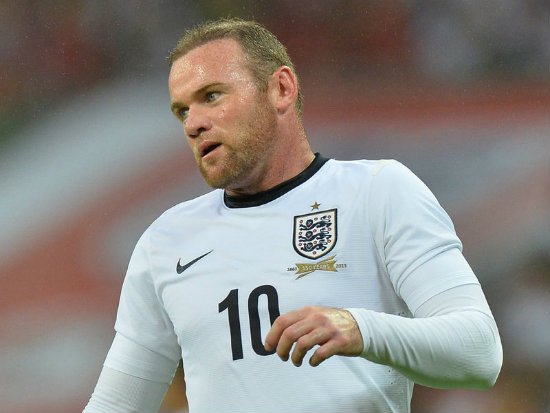
In the early 2000s, England was widely described as having a “Golden Generation” of players, a group including names such as David Beckham, Steven Gerrard, Frank Lampard, Paul Scholes, Rio Ferdinand and Wayne Rooney. On paper, it looked like one of the strongest squads in international football, with many of the players winning major trophies at club level. Yet at international tournaments, England repeatedly fell short, reaching quarter-finals but failing to go further in the 2002 World Cup, Euro 2004 and the 2006 World Cup before missing Euro 2008 entirely. The contrast between expectation and reality has since defined the era.
At the time, discussions around England’s chances were often framed by media hype and public expectation, with opinions frequently shaped by form and reputation. England were always considered one of the favourites when it came to odds on football, based on their quality, but they ultimately failed to achieve anything.
A Squad of World-Class Talent
The strength of the squad was never in question, with several players regarded as among the best in the world in their positions. England could call upon Champions League winners, Premier League title winners and even a Ballon d’Or recipient in Michael Owen. At the club level, these players consistently performed at the highest standard, often dominating European football. However, despite this level of individual quality, the national team rarely looked as effective or cohesive as their reputations suggested they should be on the international stage.
Lack of Team Chemistry
One of the main criticisms of the Golden Generations is typically that the England squad never seemed to function as a group and was instead a team full of individuals. Players who performed well for their clubs failed to be able to show that on an international stage, which could have been a result of the teammates around them. There was a sense that the side lacked balance, with the attacking options and central players not necessarily linking up with each other effectively. Despite having some of the most technically gifted footballers in the world, England often looked disjointed at times when in possession and struggled to build an identity and style of play in big matches.
Tactical Confusion and Misused Players
Tactical issues were often highlighted as a big reason why the squad underachieved. Managers like Sven-Goran Eriksson were criticised for their more conservative approaches and not always getting the best out of players. Another debate that is still held today is discussing whether certain midfielders have the ability to play alongside each other effectively in the same system. England did not appear to flow naturally and link up well together, meaning they lacked flexibility and were more rigid, causing problems when they came up against difficult nations, limiting their ability to adapt.
Unclear Identity
Although Eriksson provided some stability, England’s overall direction during this period completely lacked any form of clarity. There was an uncertainty around how the team would perform in the long term, with no established identity or playing style that lacked consistency. After Eriksson’s departure, further changes in management only resulted in more instability, providing even less chance of performing on the global stage. The lack of philosophy meant that England entered major competitions without any clear approach to how they wanted to play or defeat greater opposition.
Club Rivalries and Dressing Room Divides
Another recurring issue with the squad was the club rivalries between players that sometimes crept into the national squad. Many of the players ended up competing against each other during the Premier League season before linking up for international duty, which could have caused a bit of friction. Reports and reflections from the former players have suggested that these rivalries sometimes found their way into the England camp, affecting some of the relationships and the overall unity of the squad. This lack of bond meant that it was harder for the squad to function and didn’t unite the team when it came to competing in major tournaments.
The Pressure of Expectation
With so much talent available in the squad, the expectations from the nation were incredibly high, and anything short of winning competitions was viewed as failure. England has consistently reached the knockout stages, but has often been eliminated at crucial moments, whether it be penalties or against some incredibly strong opposition like Brazil or Portugal. As time went on, this created a growing sense of pressure and frustration amongst fans, with players later admitting that the expectations and fear had played a huge role in key moments, letting the side down.
Looking Ahead at the US
As the 2026 World Cup approaches in the US, Mexico, and Canada, the stories of the ‘Golden Generation’ are often repeated as a warning rather than a benchmark to reach. The modern squads have shown more structure and emphasis on achieving silverware, building a tactical identity in order to try and avoid any mistakes of the past. While the ‘Golden Generation’ appeared to be a disaster, it has taught lessons to future squads, showcasing that success is dependent on identity and balance with a sense of togetherness, something that Thomas Tuchel will be aiming to bring this summer.


Other News